Peniel Environmental — property restoration in New England

Free on-site assessment

Heating-Oil Tank Removal Across New England

Thousands of New England homes still have an old heating-oil tank — buried in the yard or sitting in the basement — long after the furnace switched to gas. Aging steel tanks corrode and leak, and a leak that reaches soil or groundwater turns a simple removal into an expensive cleanup and a problem at closing.

Call (603) 541-7979 Available 24/7 · free on-site assessment

Start Here, It’s Free

Free on-site assessment Written scope & price Licensed & insured
Heating-Oil Tank Removal Across New England — the problem we remediate

The problem

Removed, Tested, and Documented

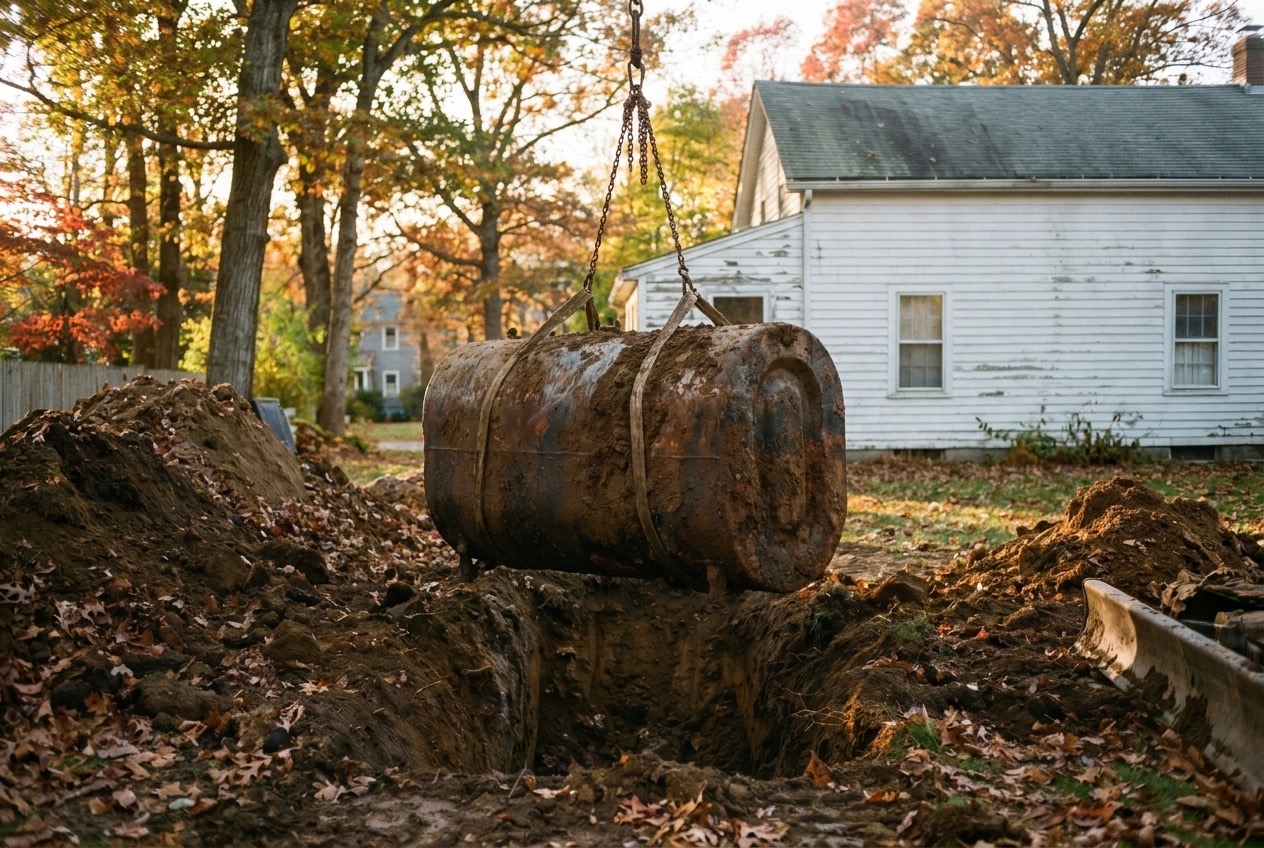
We locate the tank, pump and clean out residual oil, excavate or cut it out, and haul it off as regulated waste — then test the surrounding soil to confirm there’s no contamination left behind. You get closure documentation for your records, your town, and the next buyer’s attorney.

More about this service

The approach

The Paper Trail Is the Point

Anyone with an excavator can pull a tank out of the ground. What protects you is the documentation — the permit, the disposal manifest, and the soil results that prove the site is clean. That record is what a buyer’s lender and attorney ask for, and what keeps an old tank from stalling a sale years later.
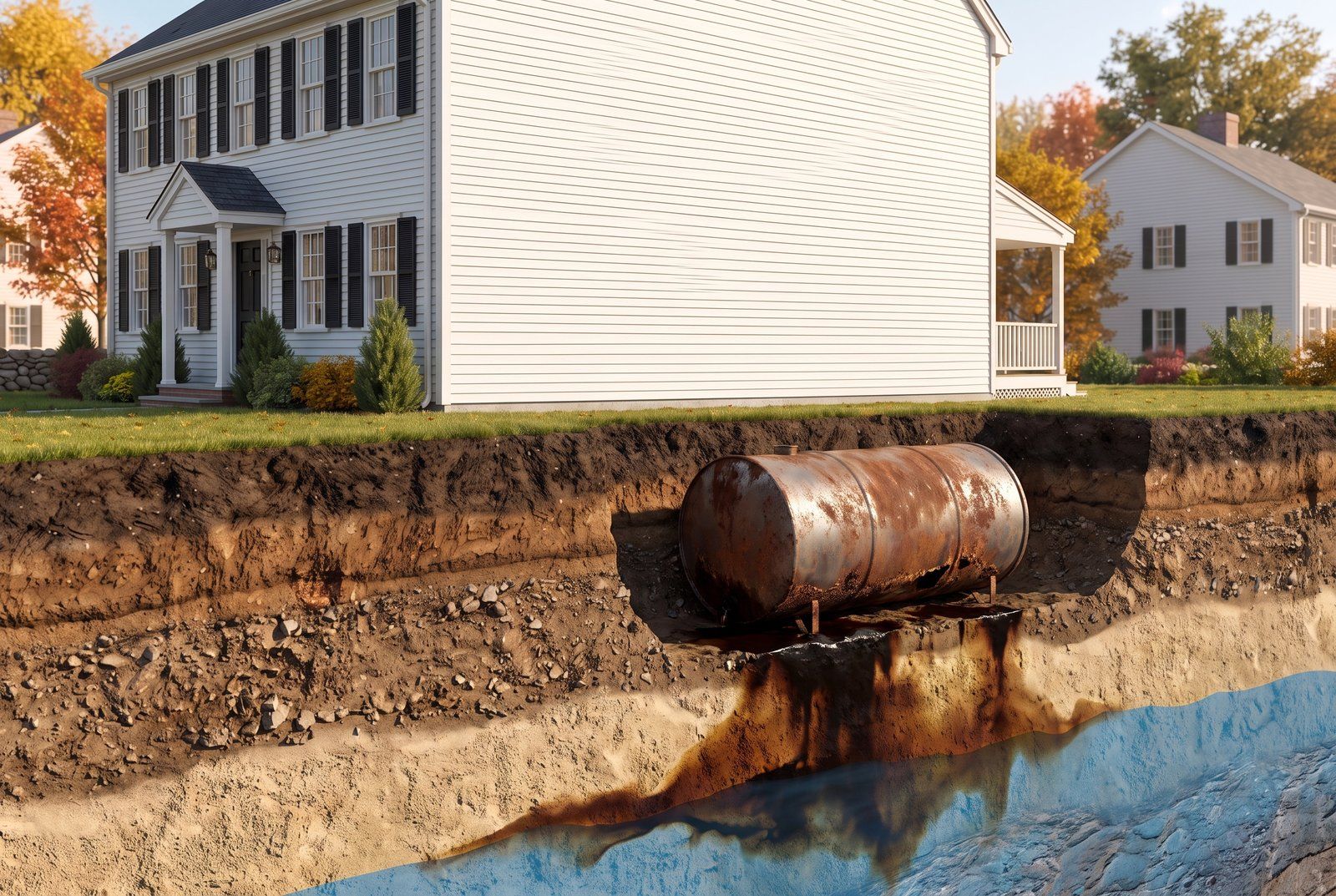
Cutaway illustration of a buried heating-oil tank beside a New England home, corroded and leaking oil down through the soil toward the groundwater and foundation.
The steel corrodes Decades underground rust the buried tank until the shell finally fails.
Product escapes Heating oil seeps out and soaks into the surrounding soil.
Groundwater at risk The plume migrates down toward the water table below.
  1. The steel corrodes. Decades underground rust the buried tank until the shell finally fails.
  2. Product escapes. Heating oil seeps out and soaks into the surrounding soil.
  3. Groundwater at risk. The plume migrates down toward the water table below.
A buried oil tank fails from the outside in. By the time it’s noticed, the leak is usually already in the soil — which is why removal and soil checks go together.

How it works

A Documented Process, First Look to Verified Result.

  1. 01 Assessment & Locate We find the tank, check access, and pull the required permits.
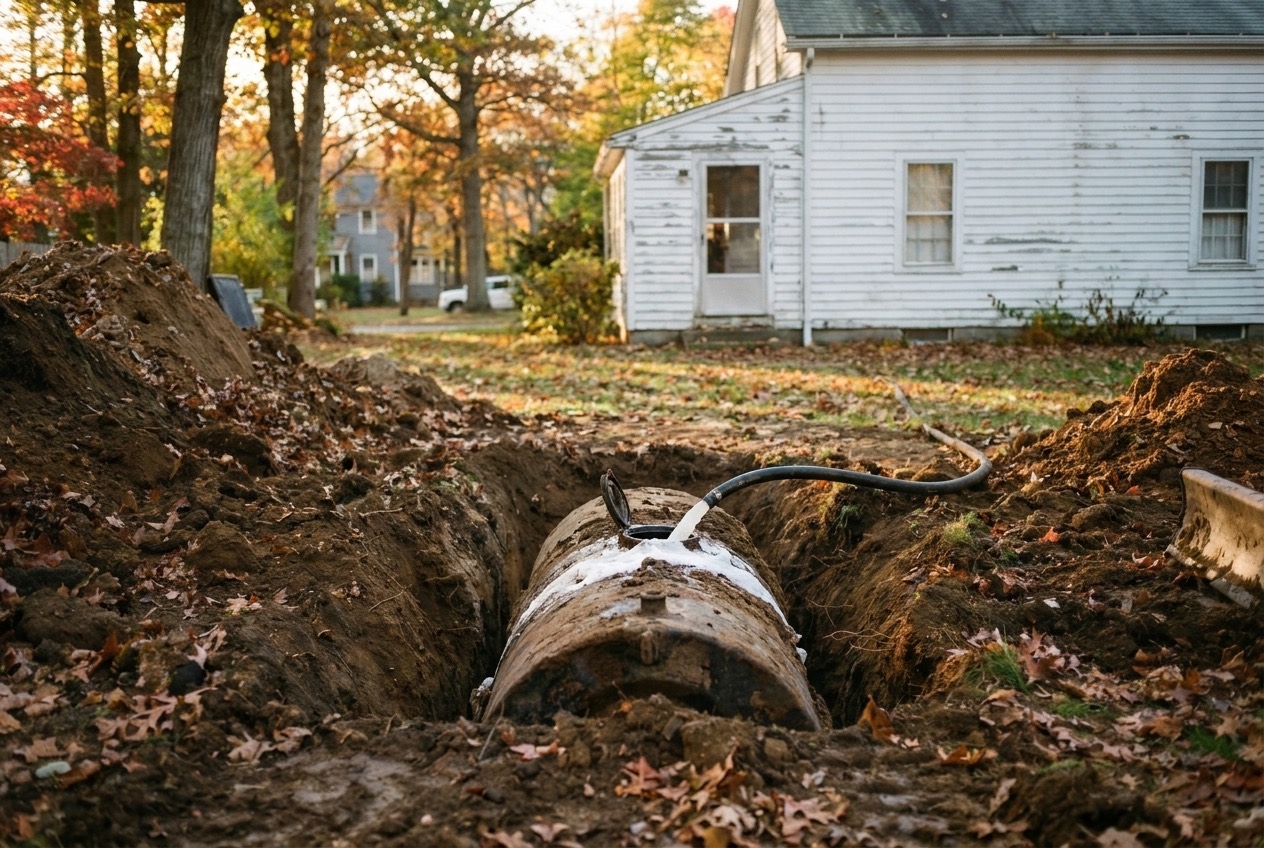
  2. 02 Pump & Clean Residual oil and sludge are removed and disposed of properly.
  3. 03 Excavate & Remove The tank is excavated or cut out and hauled off as regulated waste.
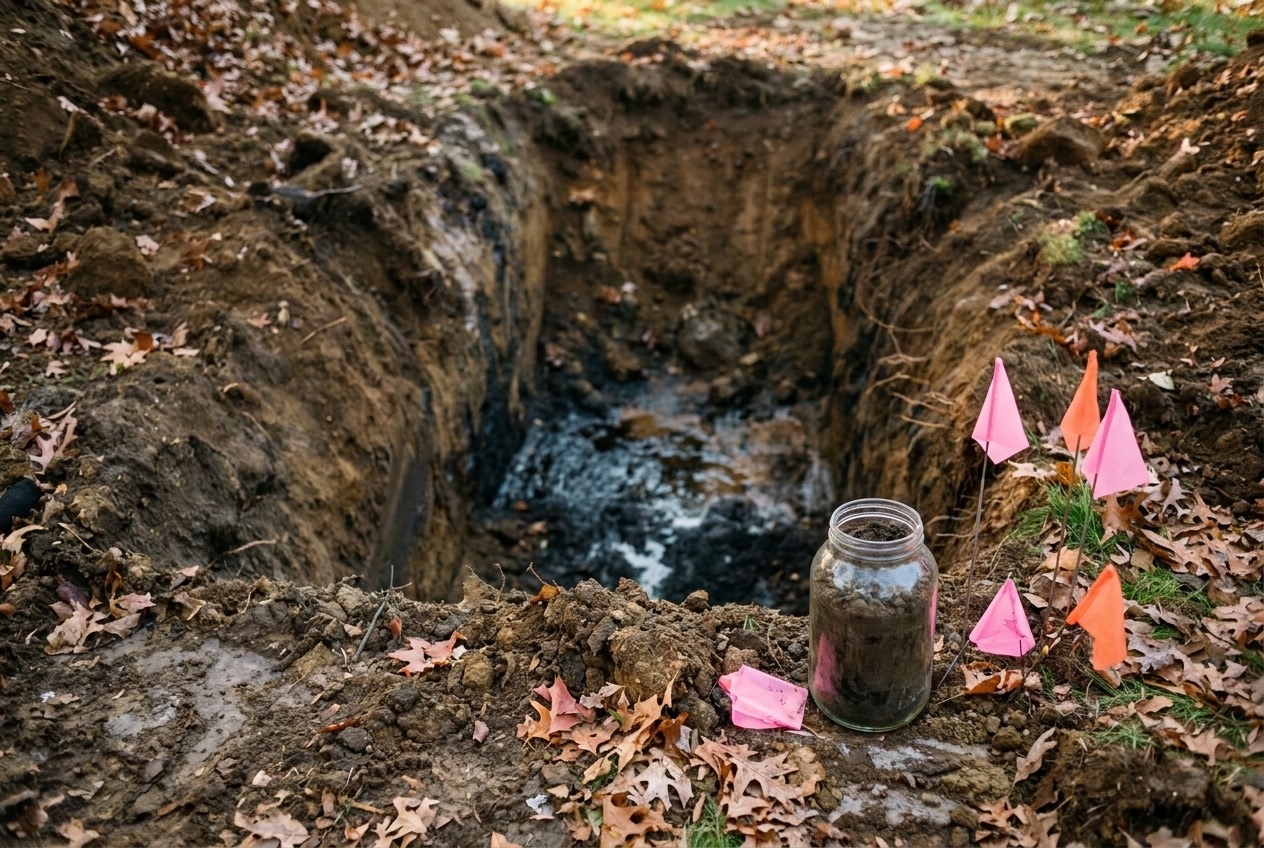
  4. 04 Soil Testing Surrounding soil is sampled to confirm there’s no contamination.
  5. 05 Backfill & Documentation The site is restored and you receive full closure paperwork.
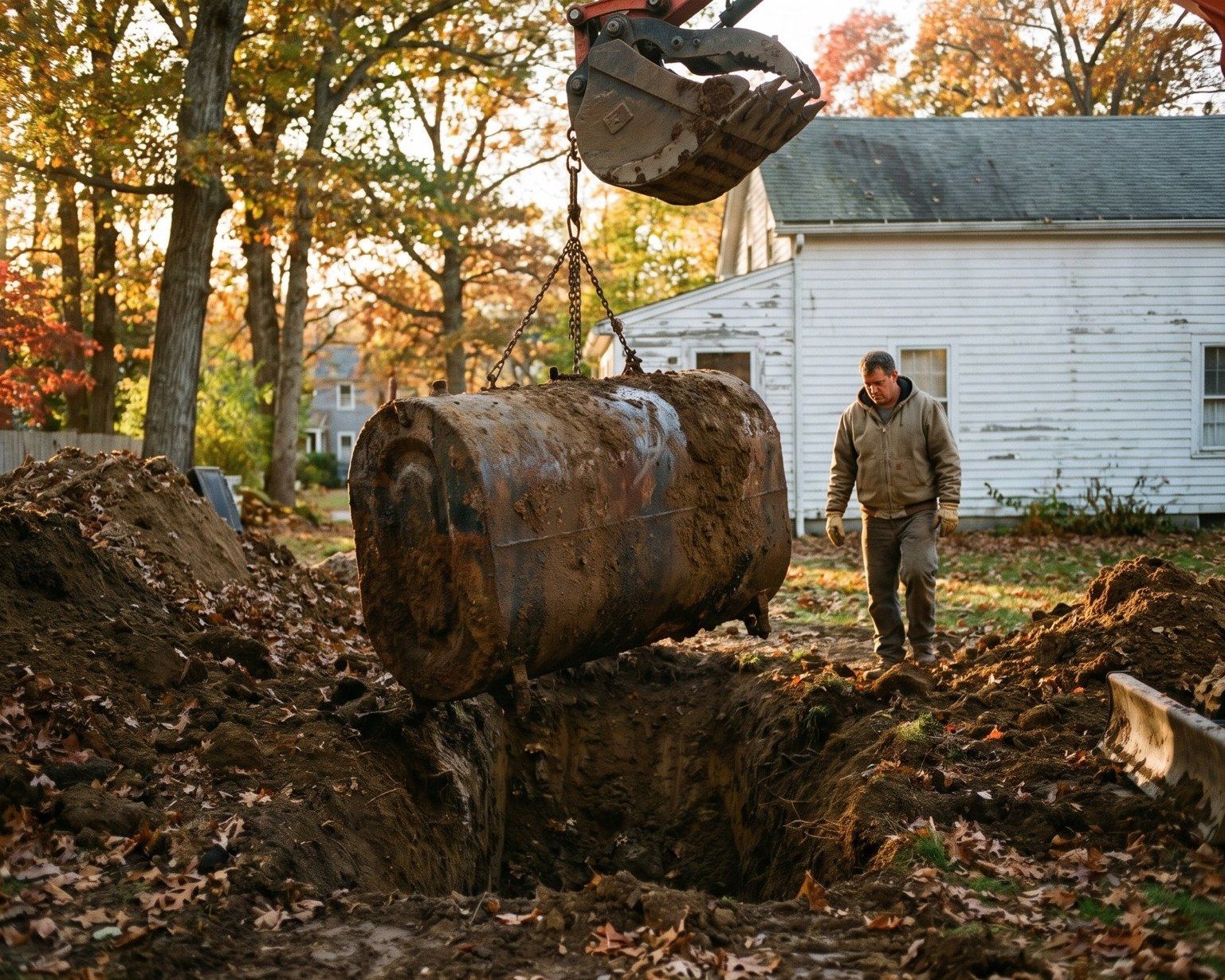
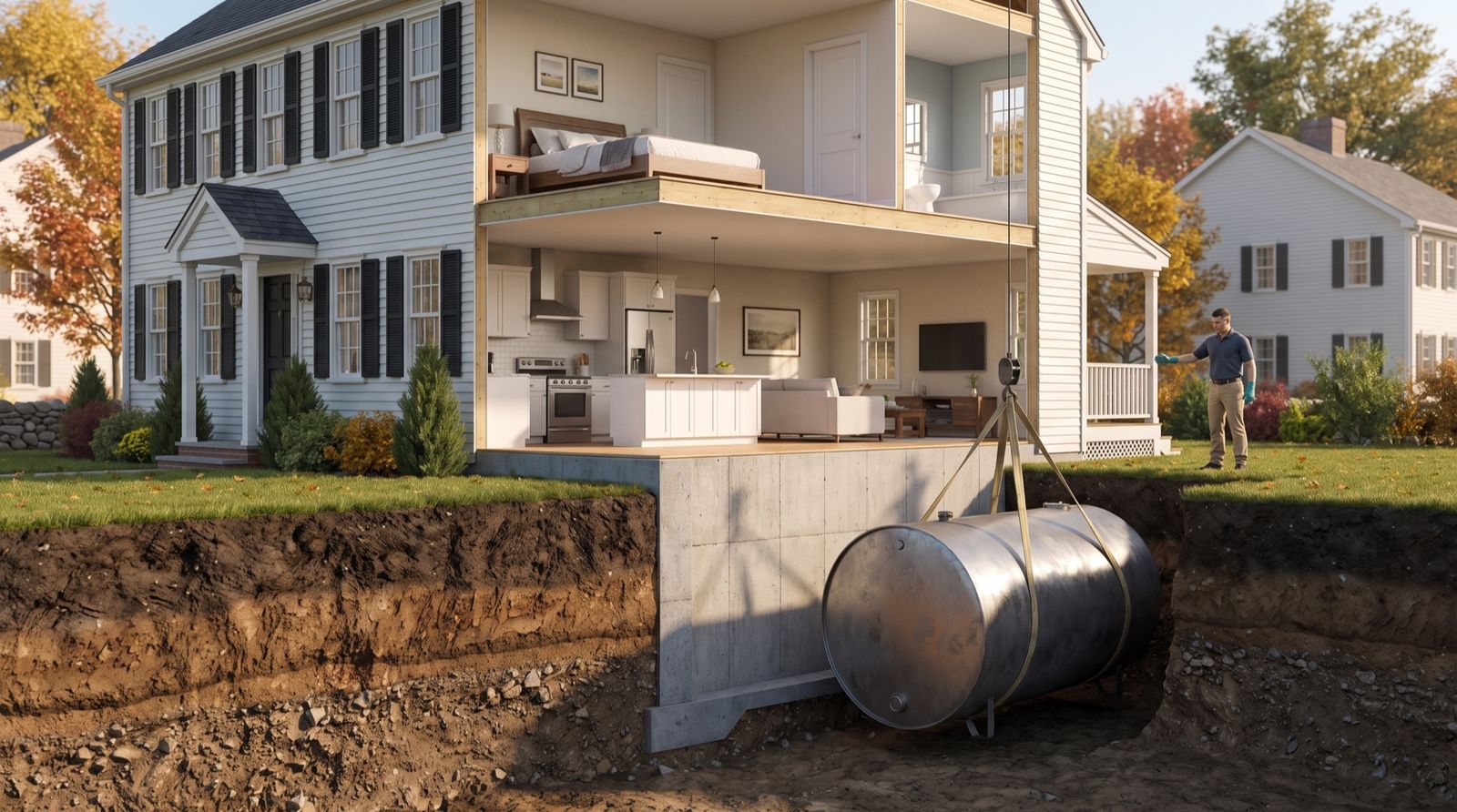
Cutaway cross-section illustration of a New England home with the yard soil cut away — a buried steel heating-oil tank being hoisted out of the excavation beside the foundation as a technician directs

Related services

Specialized Tank Removal Services

Buried Oil Tank Removal

Excavation and removal of underground yard tanks with soil testing.

Learn more

Basement Tank Removal

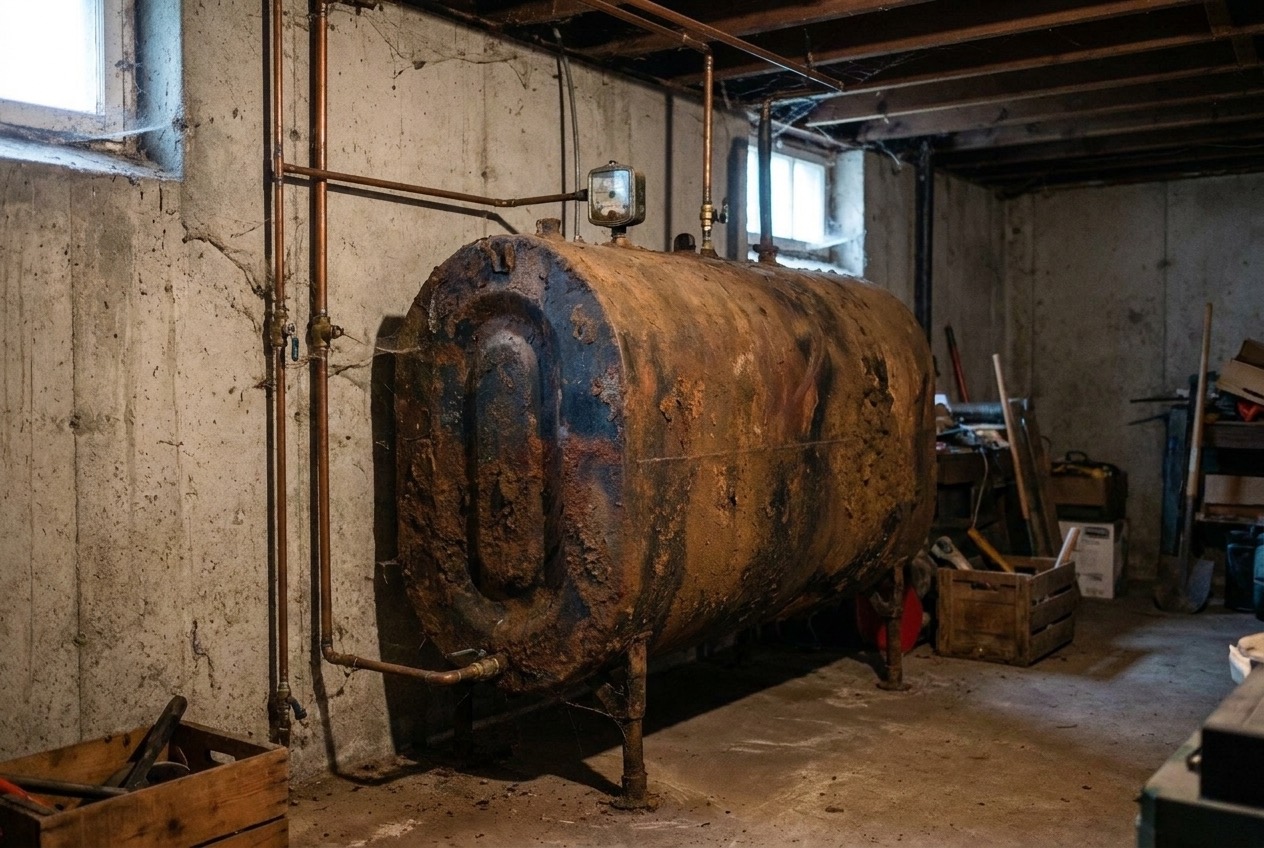
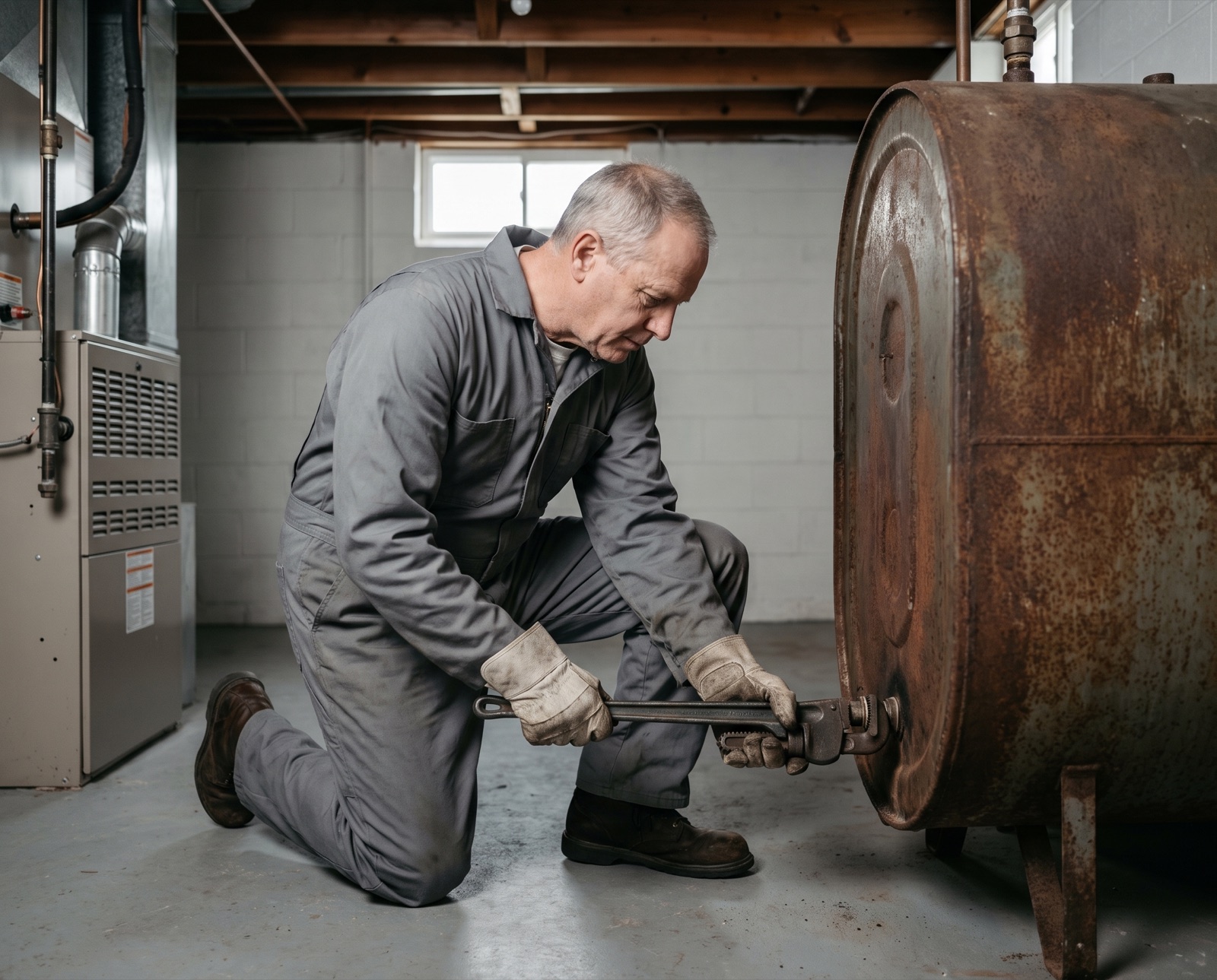
Cut-out and haul-off of above-ground indoor heating-oil tanks.

Learn more

Soil Testing & Remediation

Testing and cleanup where a tank has leaked into the ground.

Learn more

Tank Abandonment-in-Place

Permitted cleaning and filling when removal isn’t feasible.

Learn more
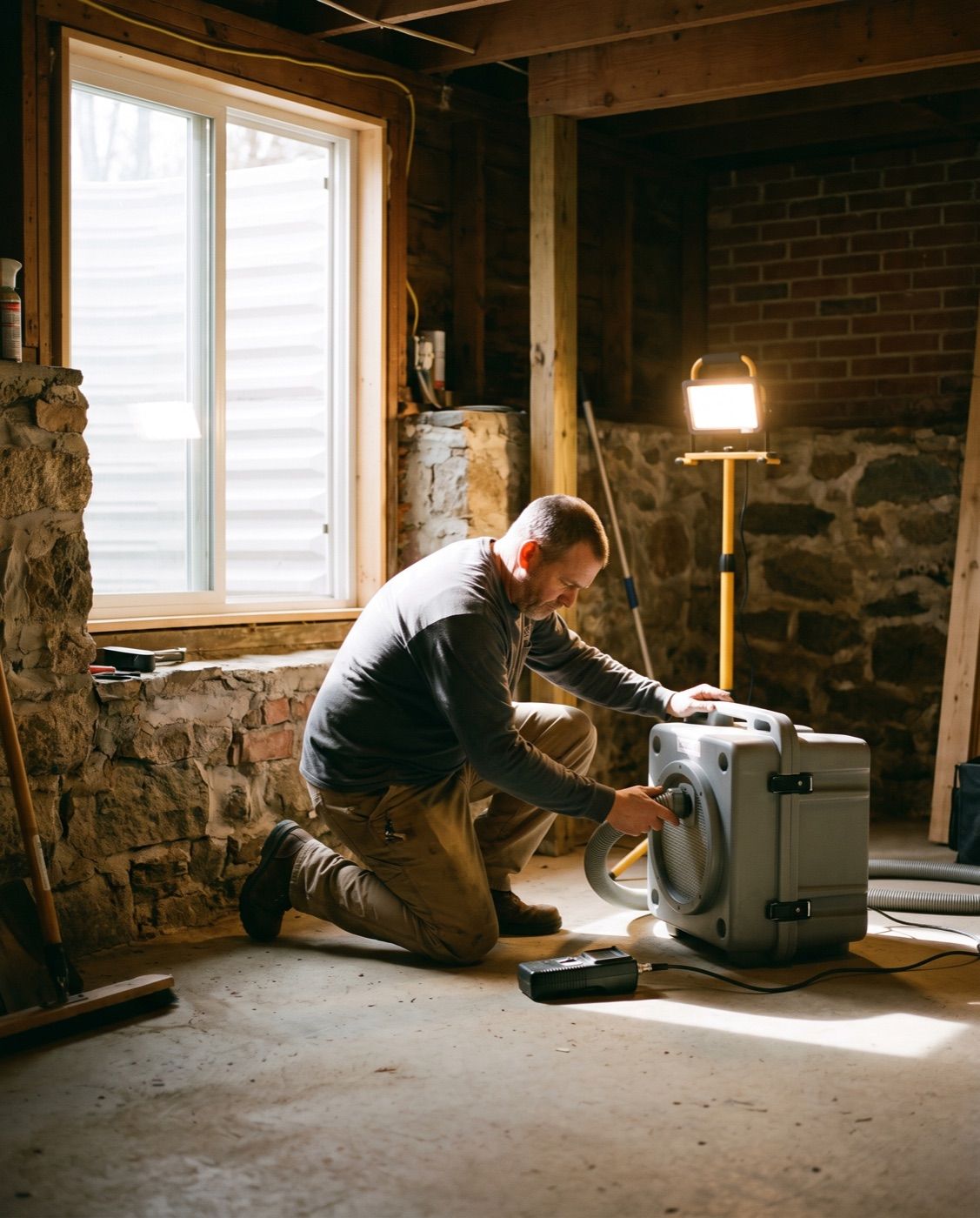
HEPA air scrubber and moisture meter set up during a New England remediation

Why Peniel

Trust Built on Standards, Not Slogans.

  • Licensed & Permitted
    We pull the permits and follow state removal and disposal rules.
  • Free On-Site Assessment
    We locate the tank and scope access, removal, and disposal.
  • Soil Testing & Closure Docs
    Verified results and paperwork for your town and future buyers.
  • Sale-Timeline Friendly
    We work to your closing date when a tank turns up in diligence.
  • Clear Pricing Before Work Begins
    Full scope and cost agreed upfront — in writing.
  • Straight Answers
    We tell you what the site needs, and what it doesn’t.

Common questions

Before You Call, the Honest Answers.

Do I need to remove an oil tank I no longer use?

An unused steel tank keeps corroding whether it’s in the ground or the basement, and a leak is far costlier than a removal. Most homeowners remove them for peace of mind and to clear the way for a future sale — but the assessment lays out your options either way.

What happens if the tank has already leaked?

Soil testing tells us the extent. If there’s contamination, we remediate the affected soil and document the cleanup so the site is verified clean — which is exactly what a buyer’s lender will want to see.

Do you handle the permits?

Yes. We pull the required permits, dispose of the tank and oil as regulated waste, and provide the closure documentation your town and future buyers expect.

Peniel Environmental technician assessing tank removal damage in a New England home

Get a Free Tank Removal Assessment

Licensed oil-tank removal across New England. Permits, soil testing, and closure documentation — written scope before work begins.

Prefer to talk? (603) 541-7979

Call Now