The approach
Handle the Product Safely
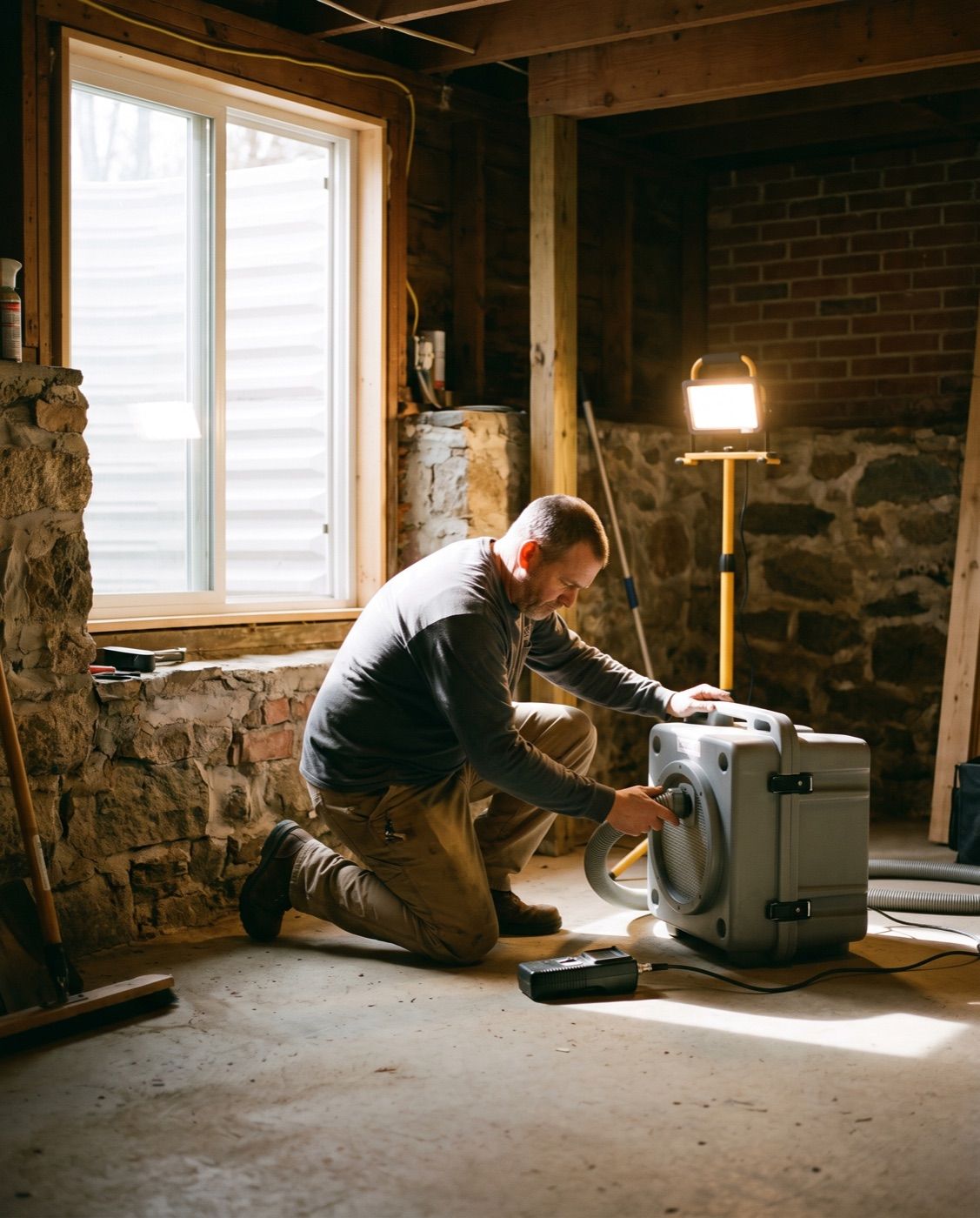
The residual oil and sludge in an old tank are the messy, hazardous part. Proper draining and disposal are most of the job — and the reason it’s not a haul-it-out-yourself project.
Free on-site assessment
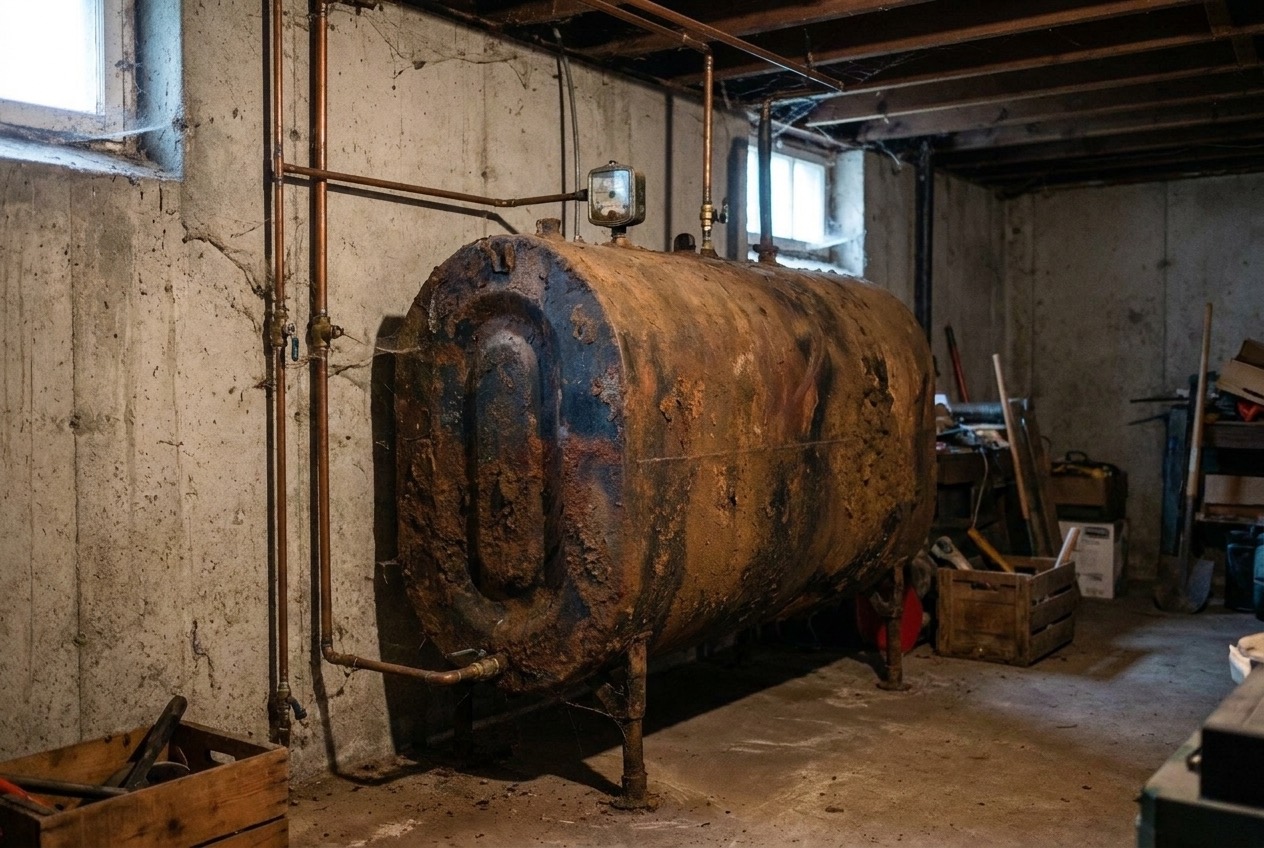
An aging indoor oil tank in a basement is a slow risk — seam leaks, weeping fittings, and the mess and hazard if it fails. Removing a decommissioned or leaking indoor tank clears the space and the liability.
Call (603) 541-7979 Available 24/7 · free on-site assessmentThanks, we’ll be in touch quickly.
The problem
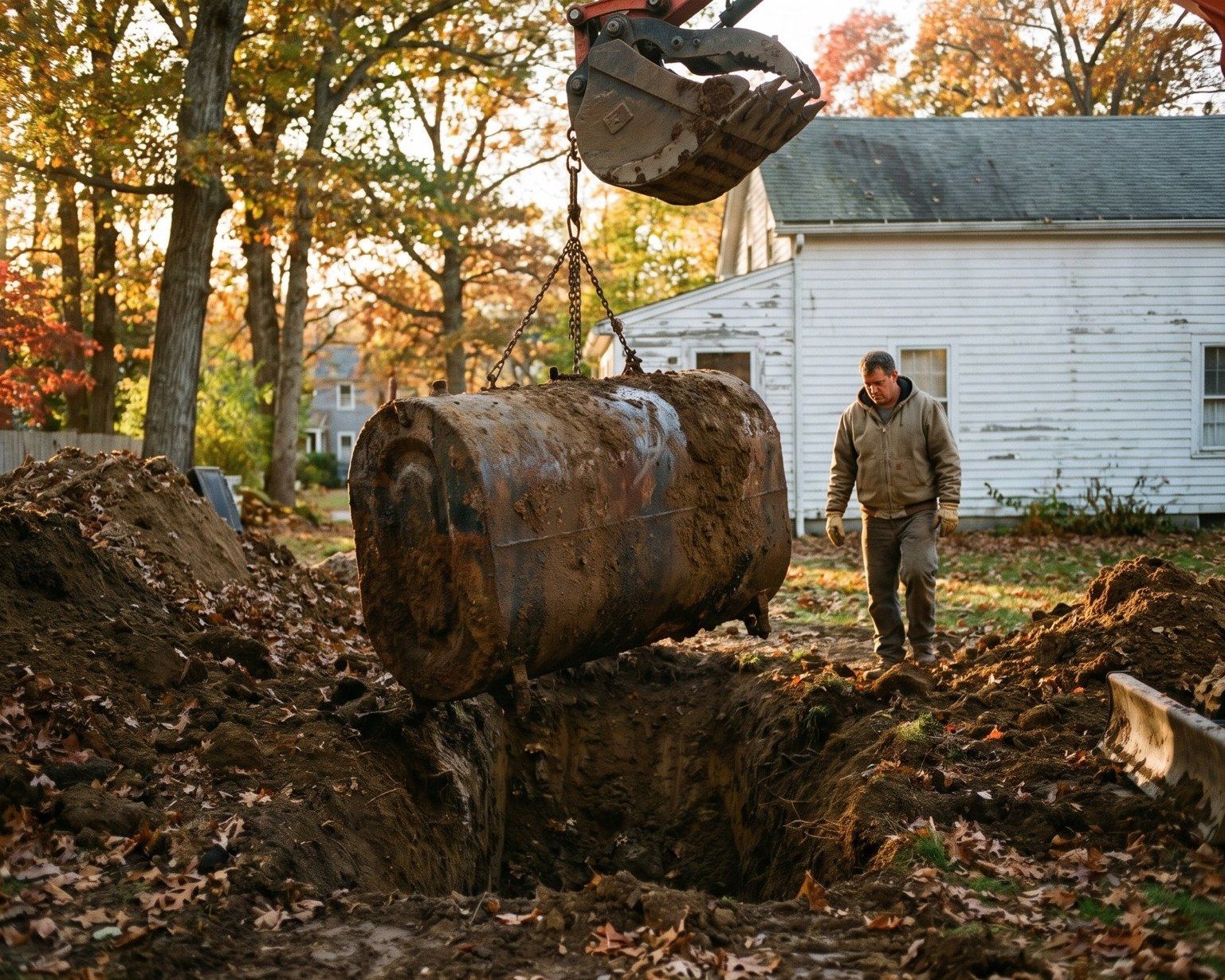
The tank is safely drained of remaining product and sludge, cut down if needed to get it out, removed, and disposed of. We leave the space clean, not with an old tank and an oily footprint.
The approach
The residual oil and sludge in an old tank are the messy, hazardous part. Proper draining and disposal are most of the job — and the reason it’s not a haul-it-out-yourself project.
How it works

Related services
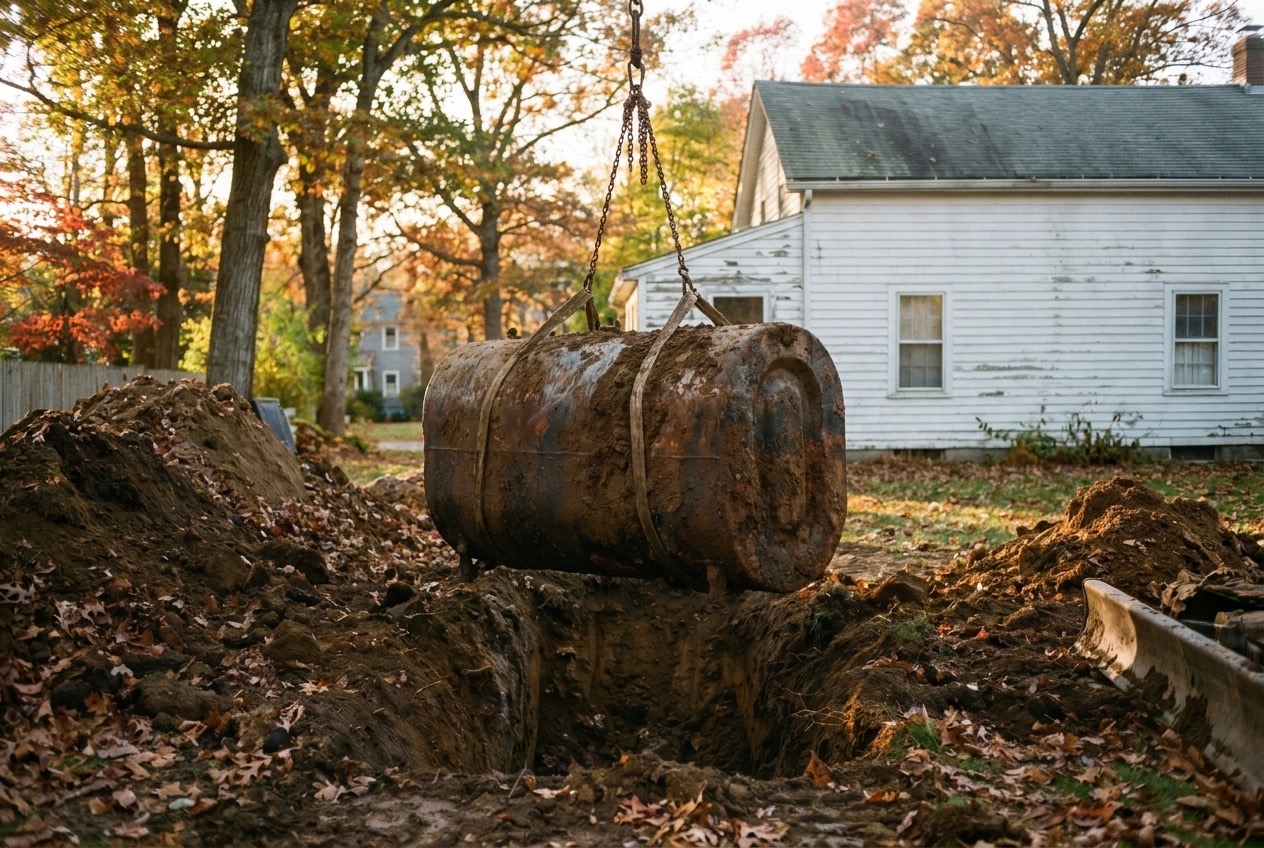
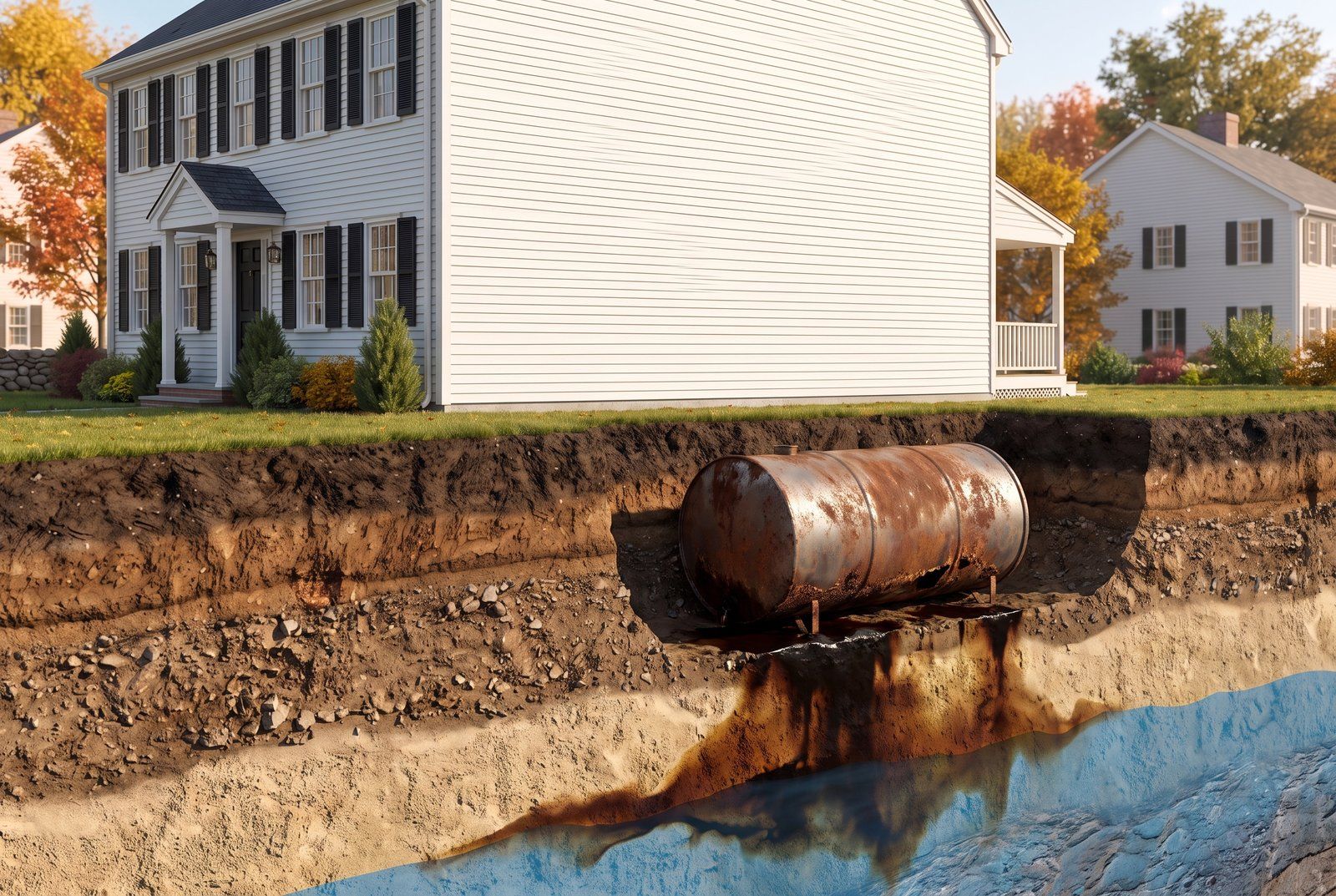
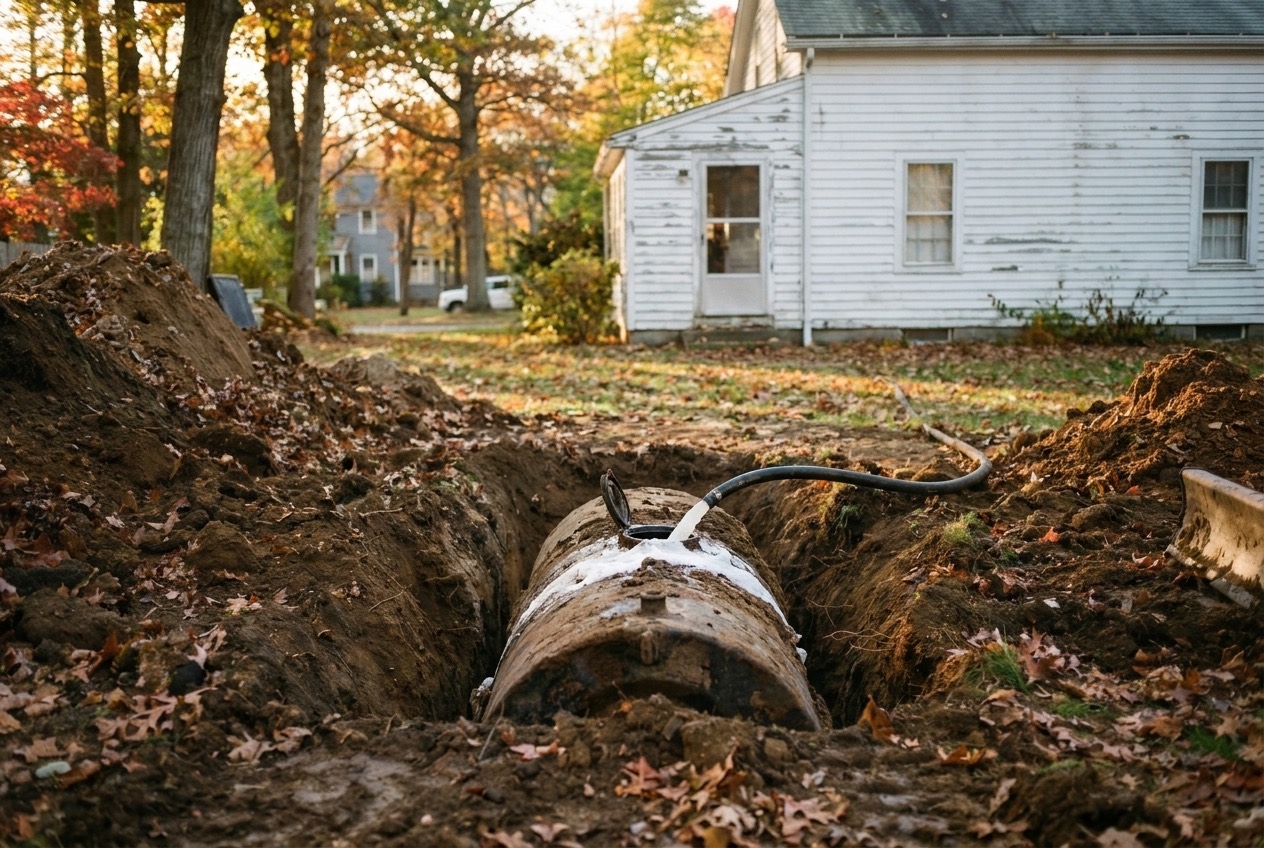
Excavation and removal of underground yard tanks with soil testing.
Learn more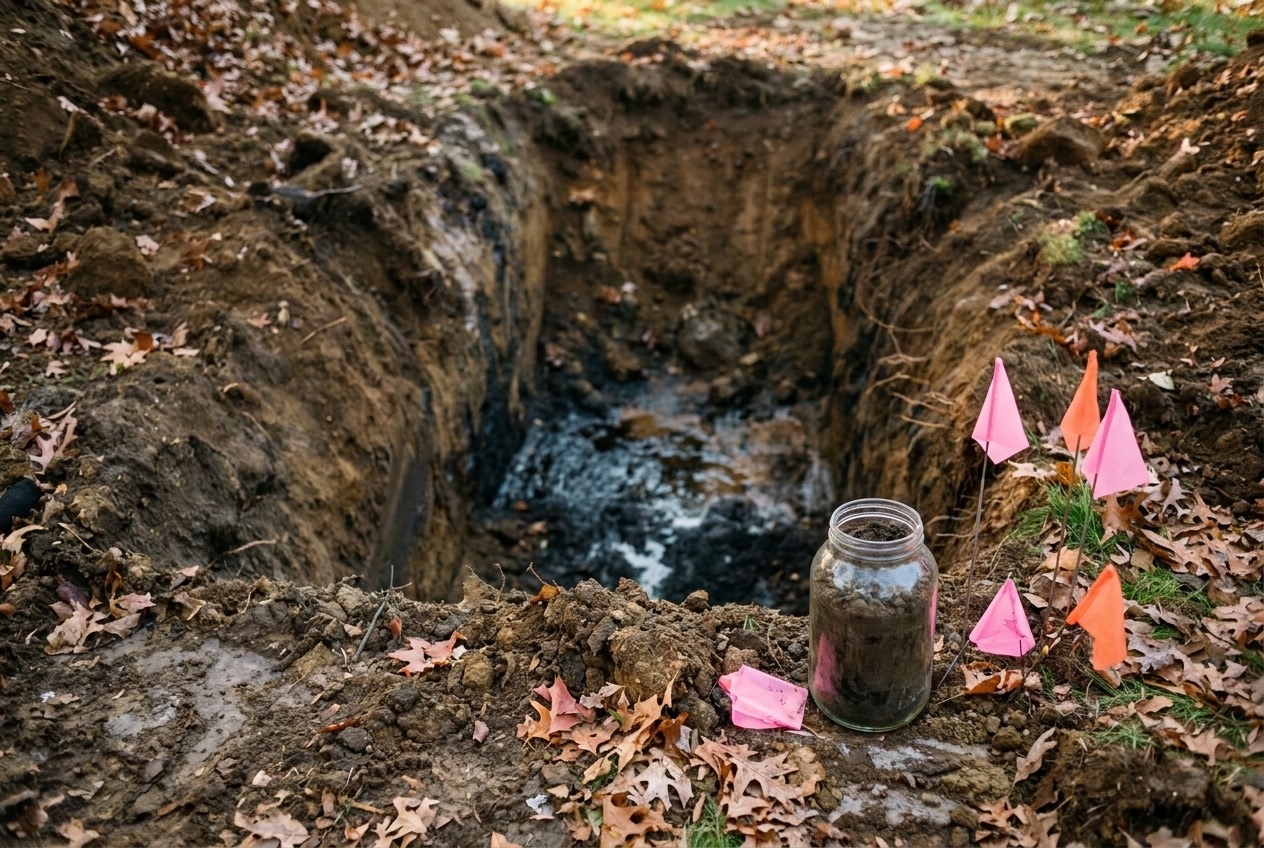
Where we work
Why Peniel
Common questions
An out-of-service indoor tank can be removed cleanly; leaving a corroding tank in a basement invites a leak and complicates a future sale. Removal is usually the better answer.
We drain the remaining product and sludge and dispose of it properly — that’s the hazardous part of the job and it’s handled to standard.
We plan the route and cut the tank down if it won’t fit, and we clean up the area afterward. The scope describes exactly what’s involved.
A licensed technician will assess the tank, plan the removal, and give you a written scope and price — no obligation.
Prefer to talk? (603) 541-7979
Thanks, we’ll be in touch quickly.
Tell us what’s going on — a certified pro follows up fast.
Prefer to talk? (603) 541-7979
Thanks, we’ll be in touch quickly.