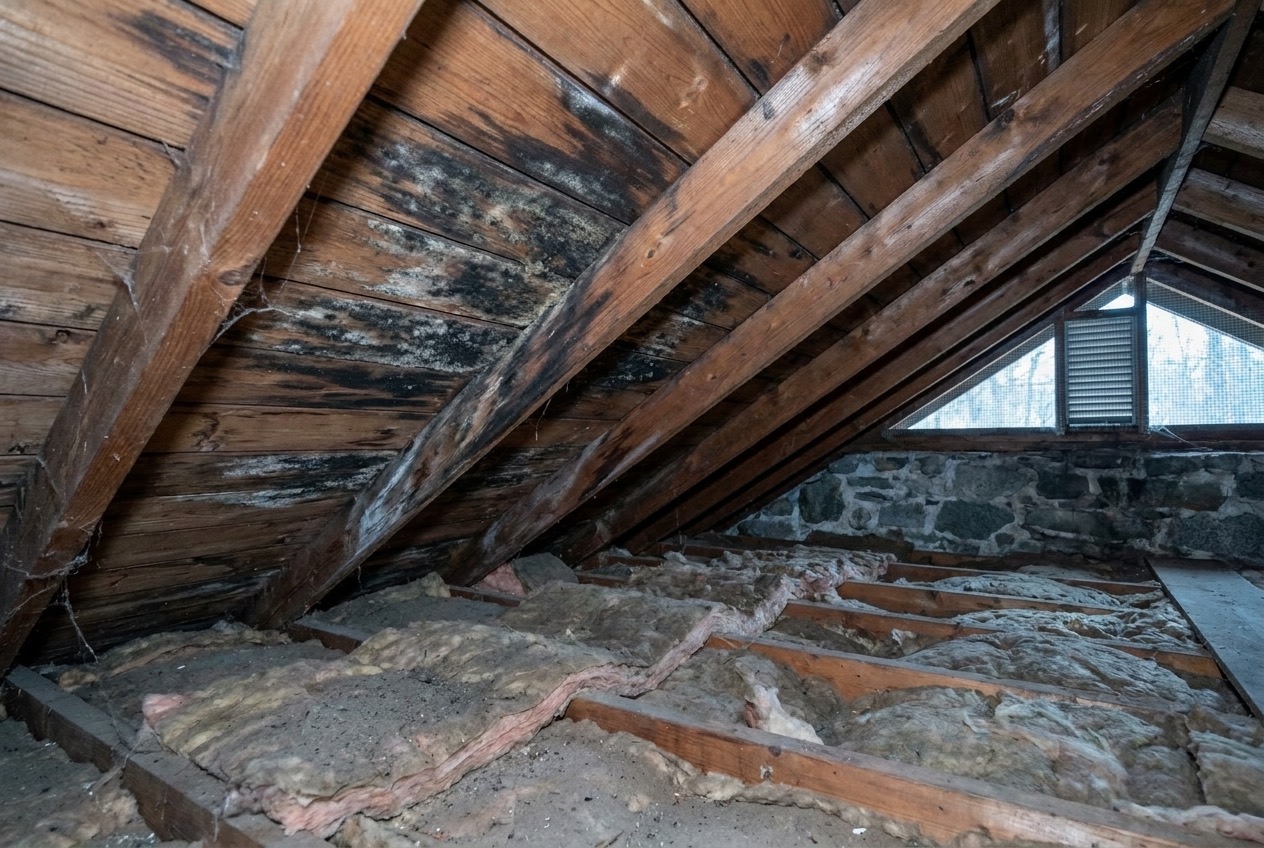
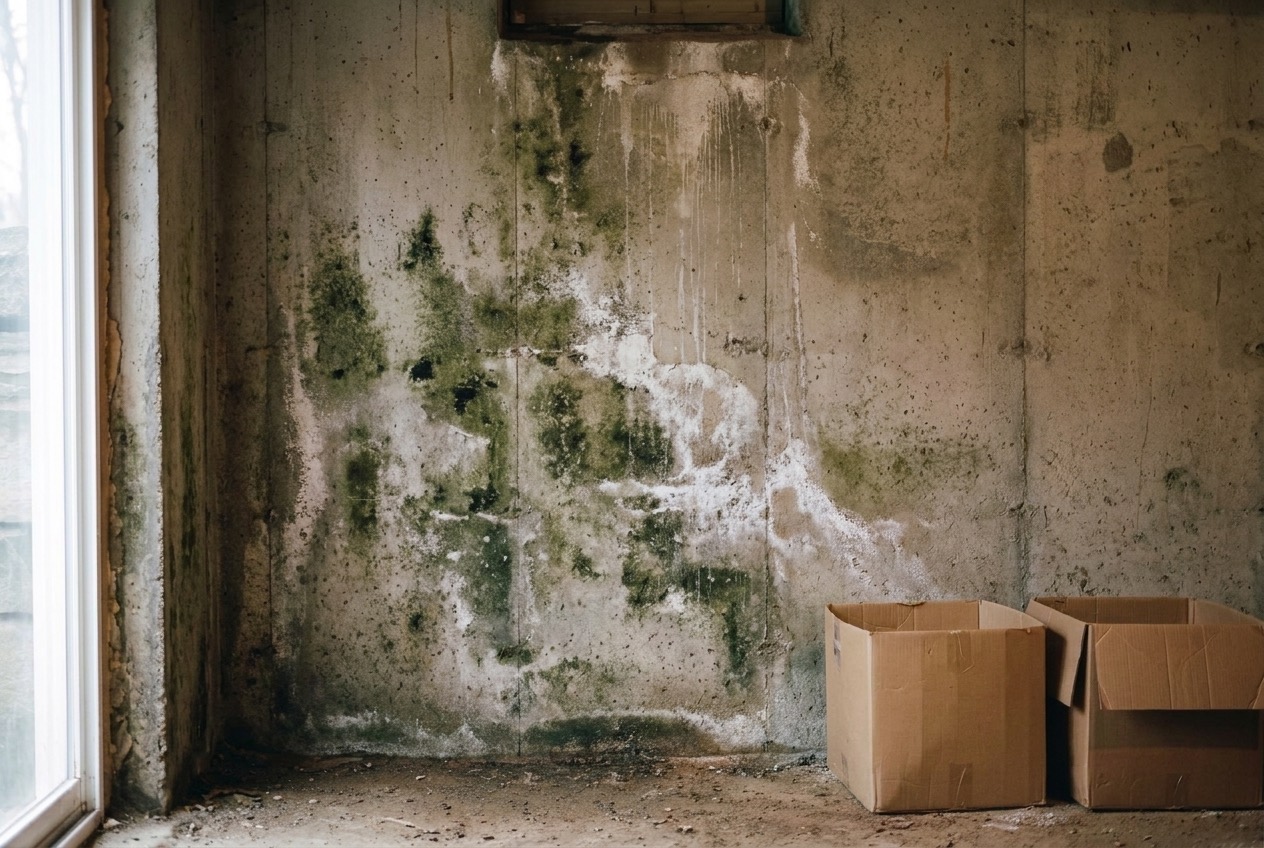
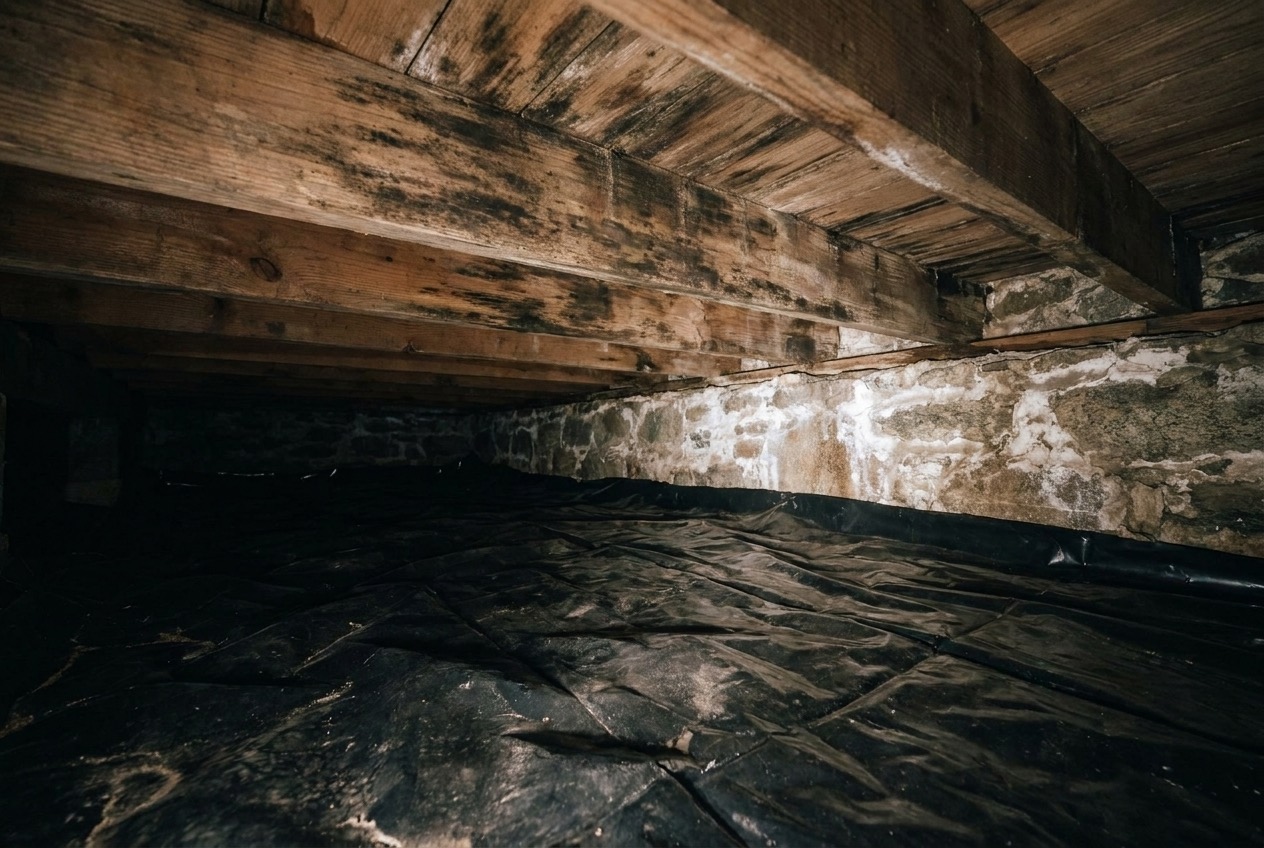
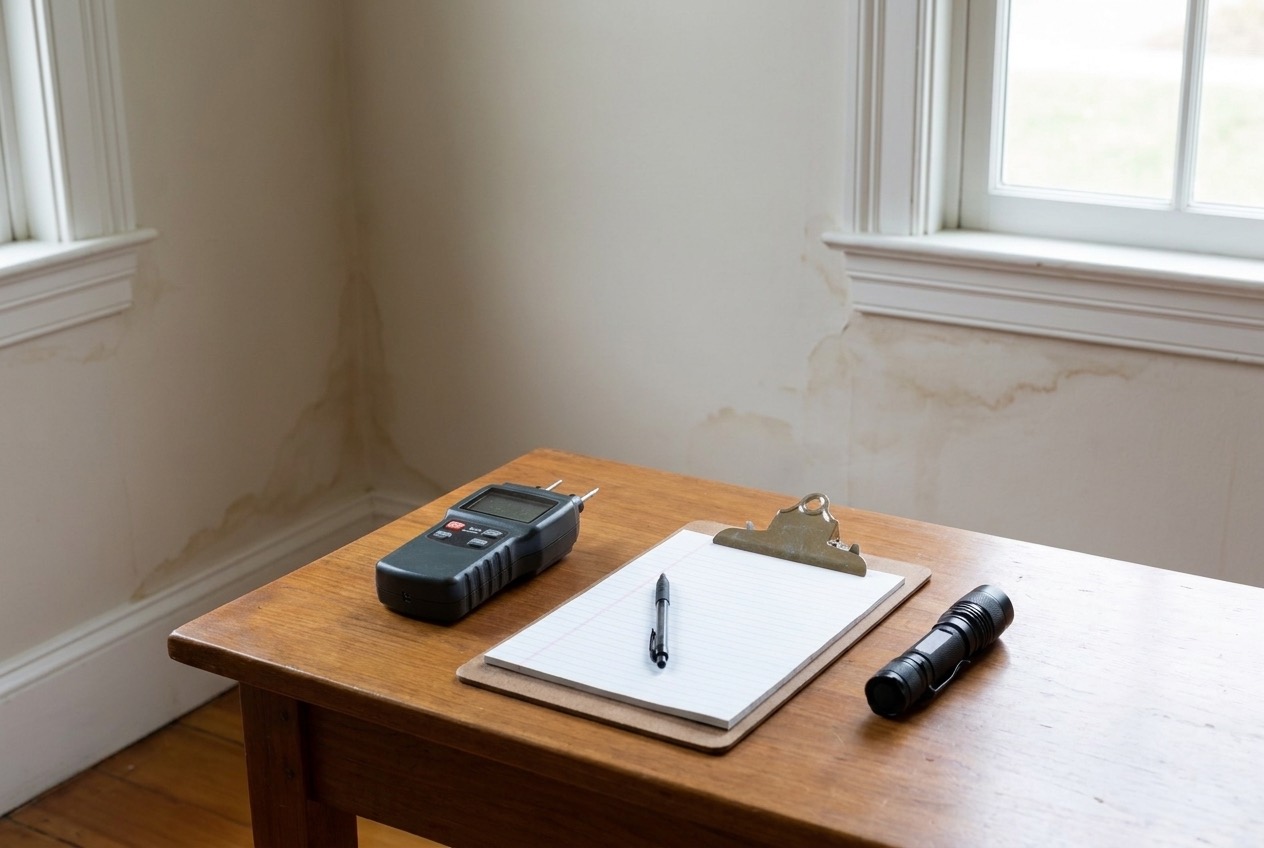
People use the terms interchangeably, but they describe different scopes of work — and the difference matters when you’re comparing quotes.
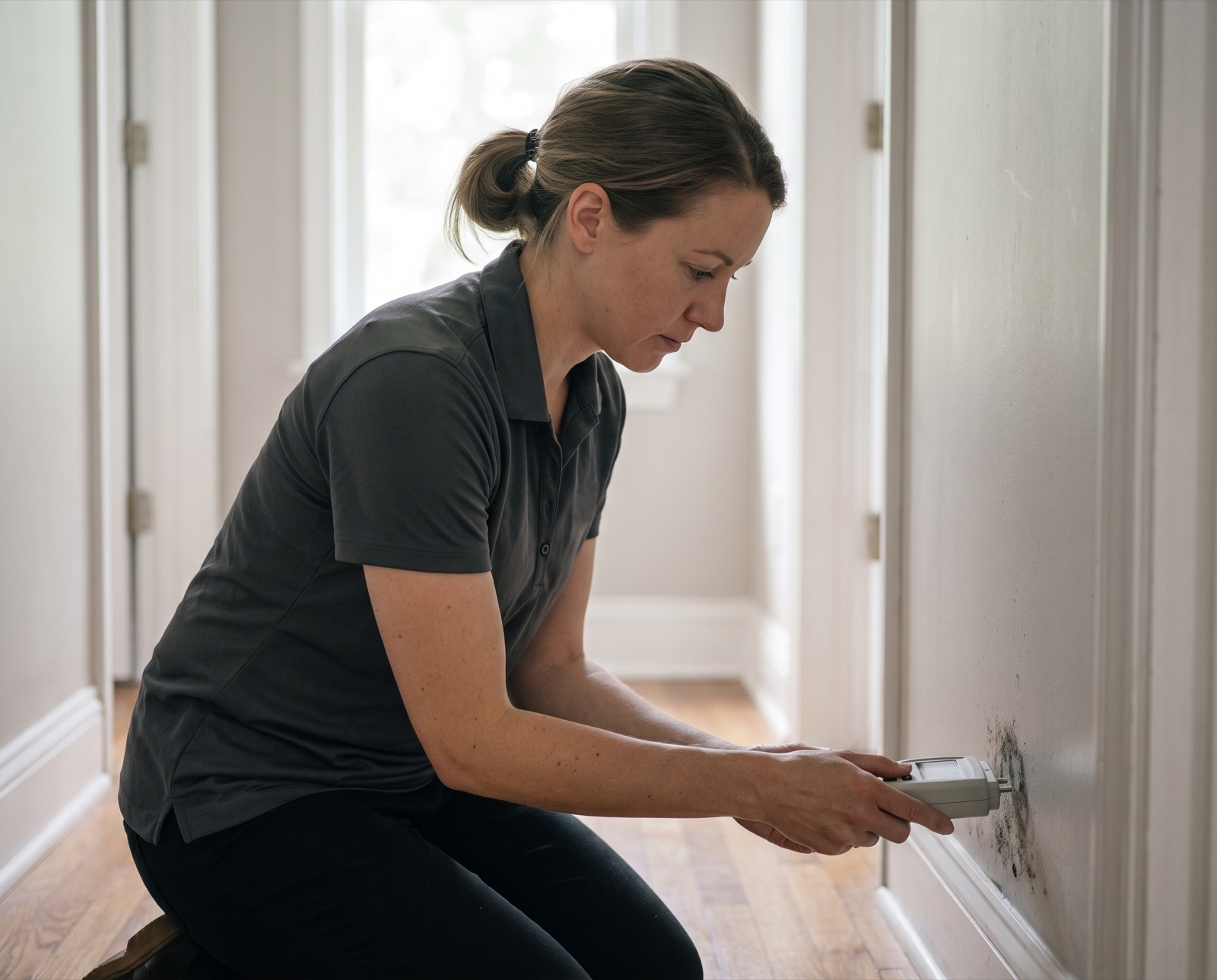
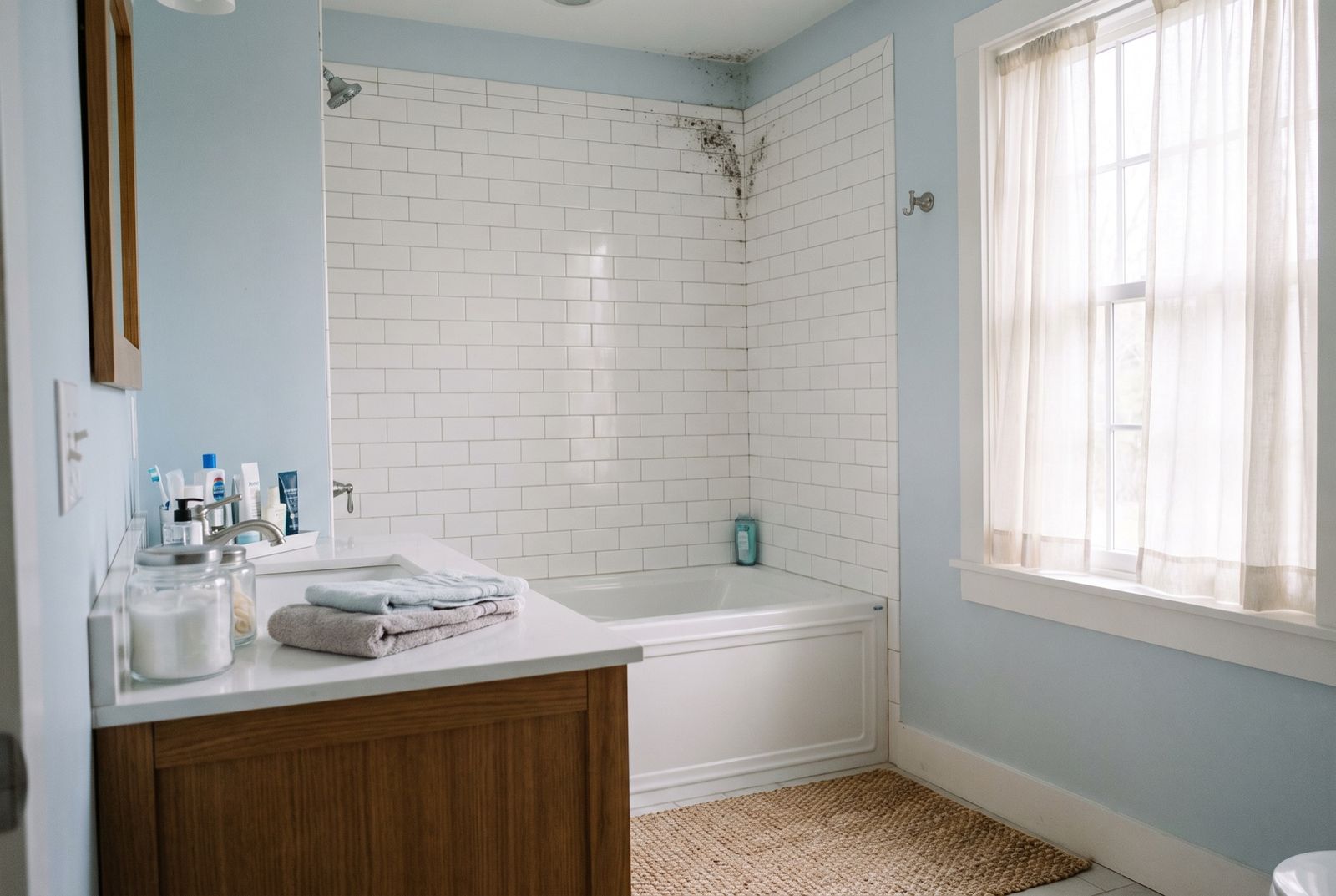
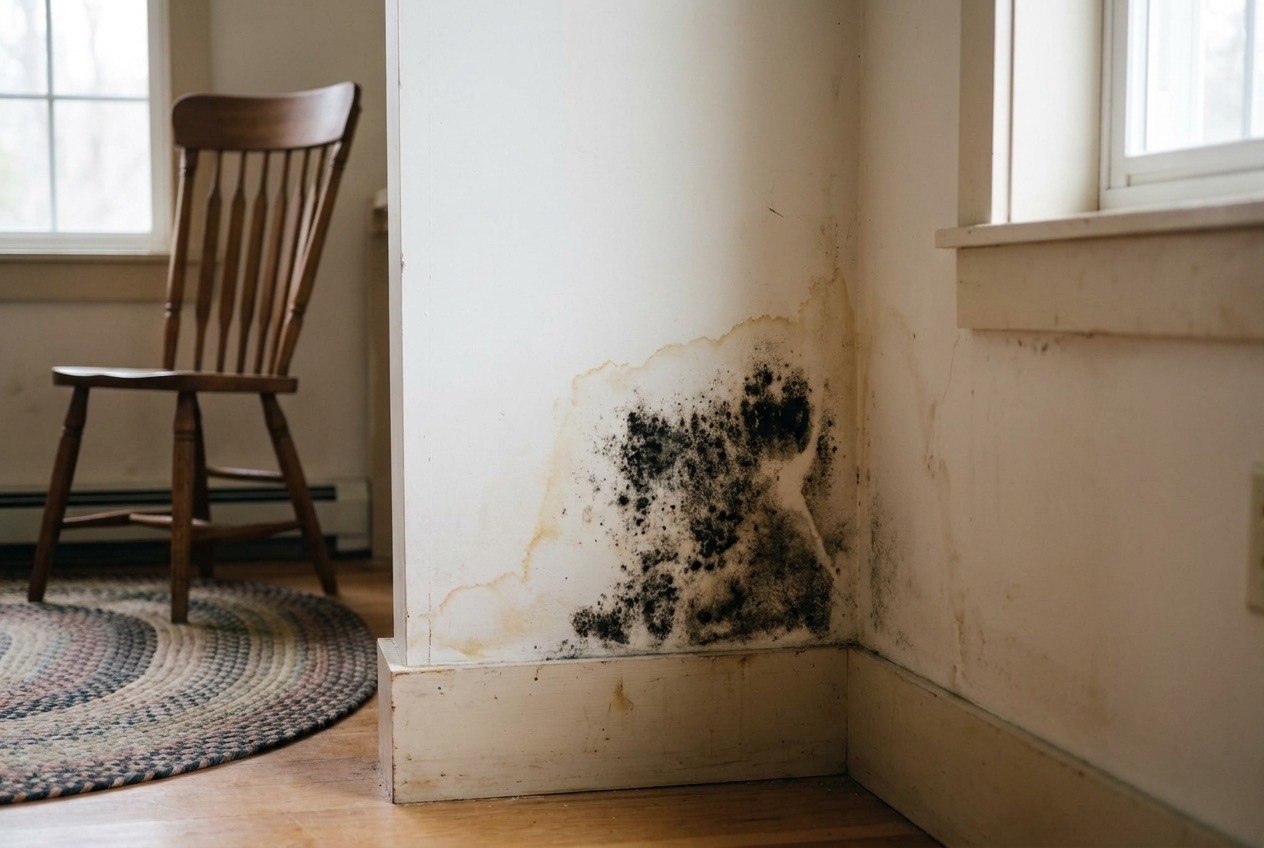
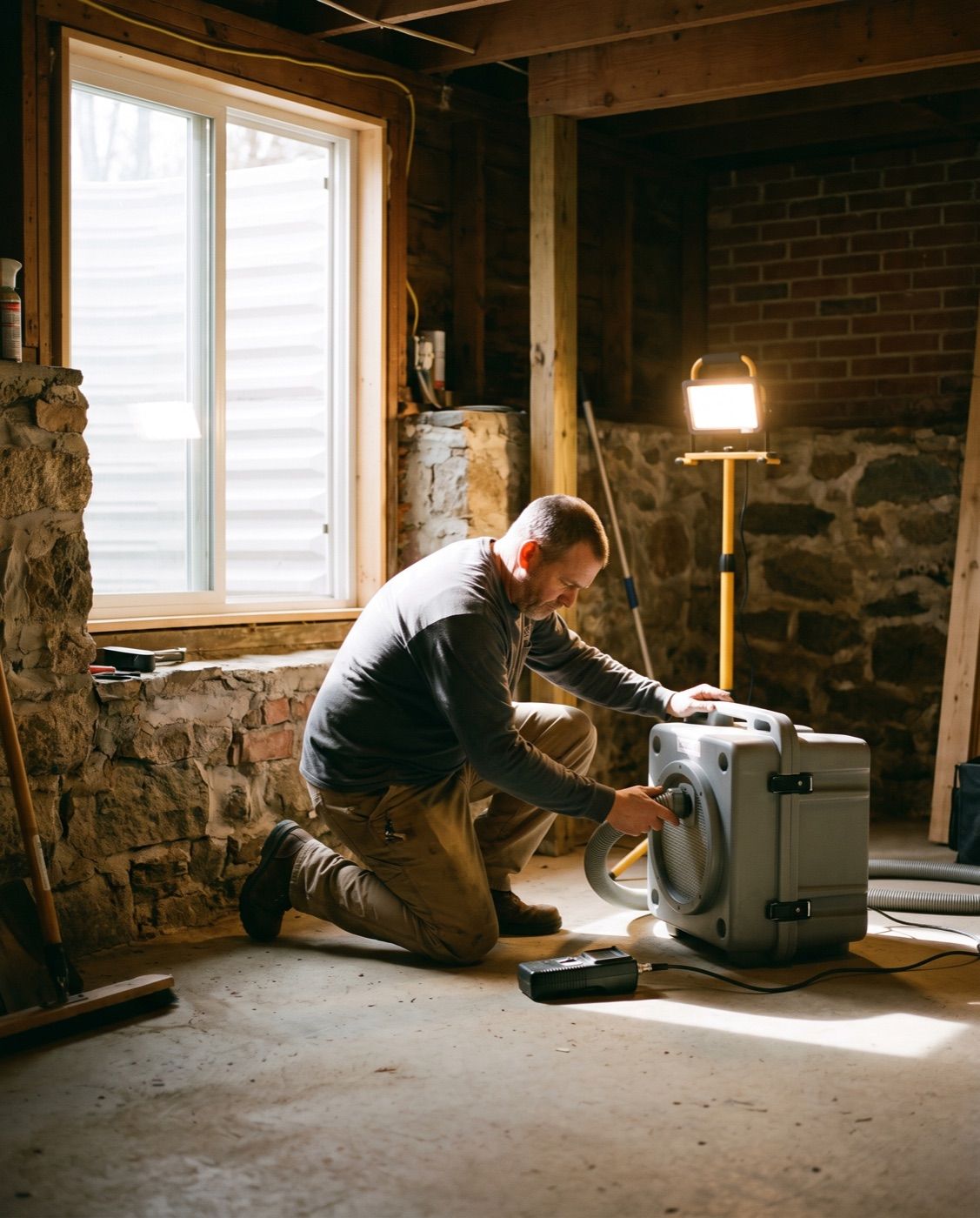
Mold removal is the physical act of getting rid of visible mold: cleaning a surface, tearing out an affected material, treating a stain. Mold remediation is the full process of returning an environment to a normal, healthy fungal level — which includes identifying and stopping the moisture source, containing the work area so spores don’t spread, removing contaminated materials, and verifying the result.
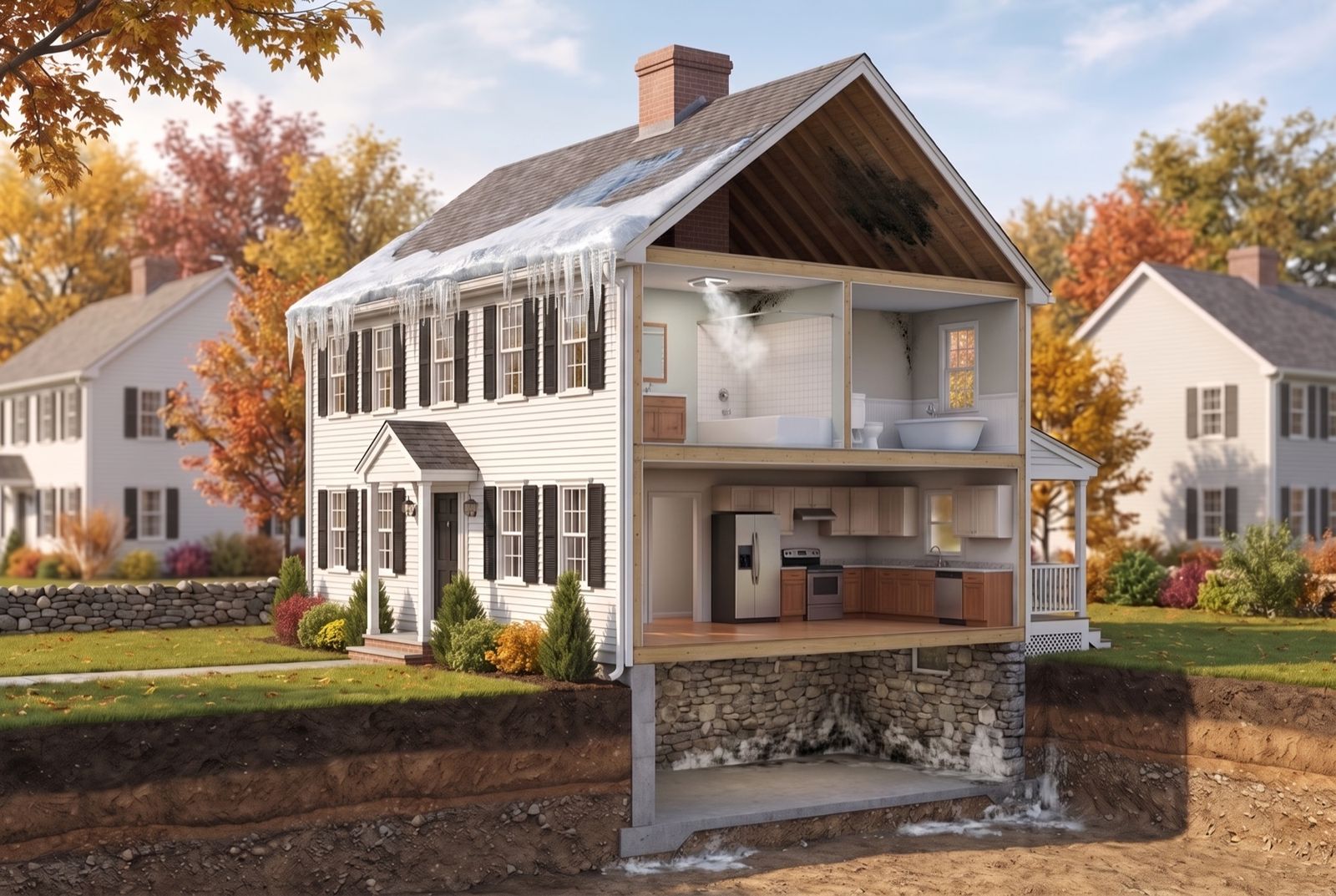
The distinction is practical, not just semantic. Mold is a naturally occurring organism; there is no such thing as a permanently mold-free building. A contractor who promises to “remove all the mold” and stops at scrubbing the surface is treating a symptom. If the leak, the humidity, or the ventilation problem behind it is still there, the mold comes back — usually within months, often in the same spot.
Proper remediation follows a recognized standard (such as the IICRC S520) so the work is repeatable, documented, and defensible if an insurer, buyer, or inspector ever asks. That’s the difference between a problem that’s solved and one that’s postponed.