Peniel Environmental — property restoration in New England

Free on-site assessment

Attic Mold Removal Across New England

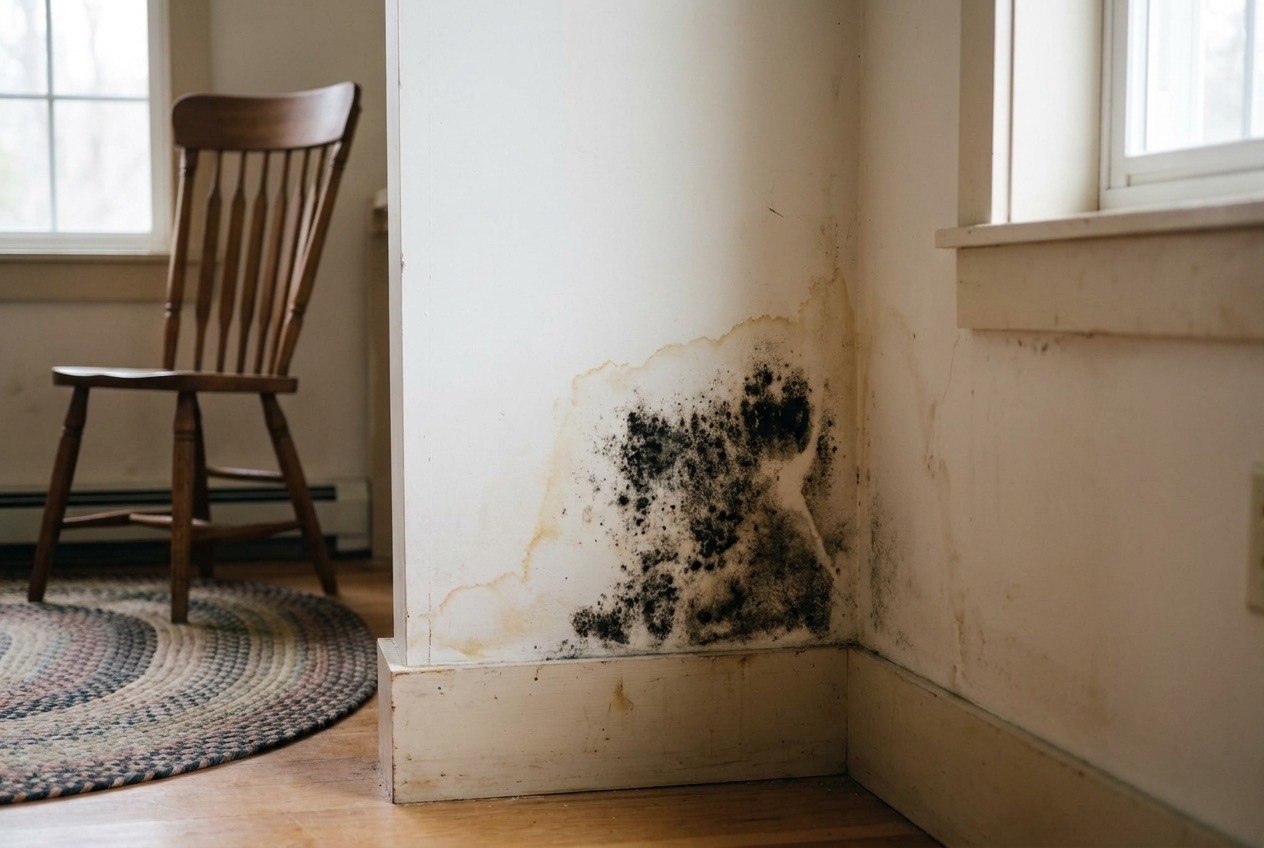
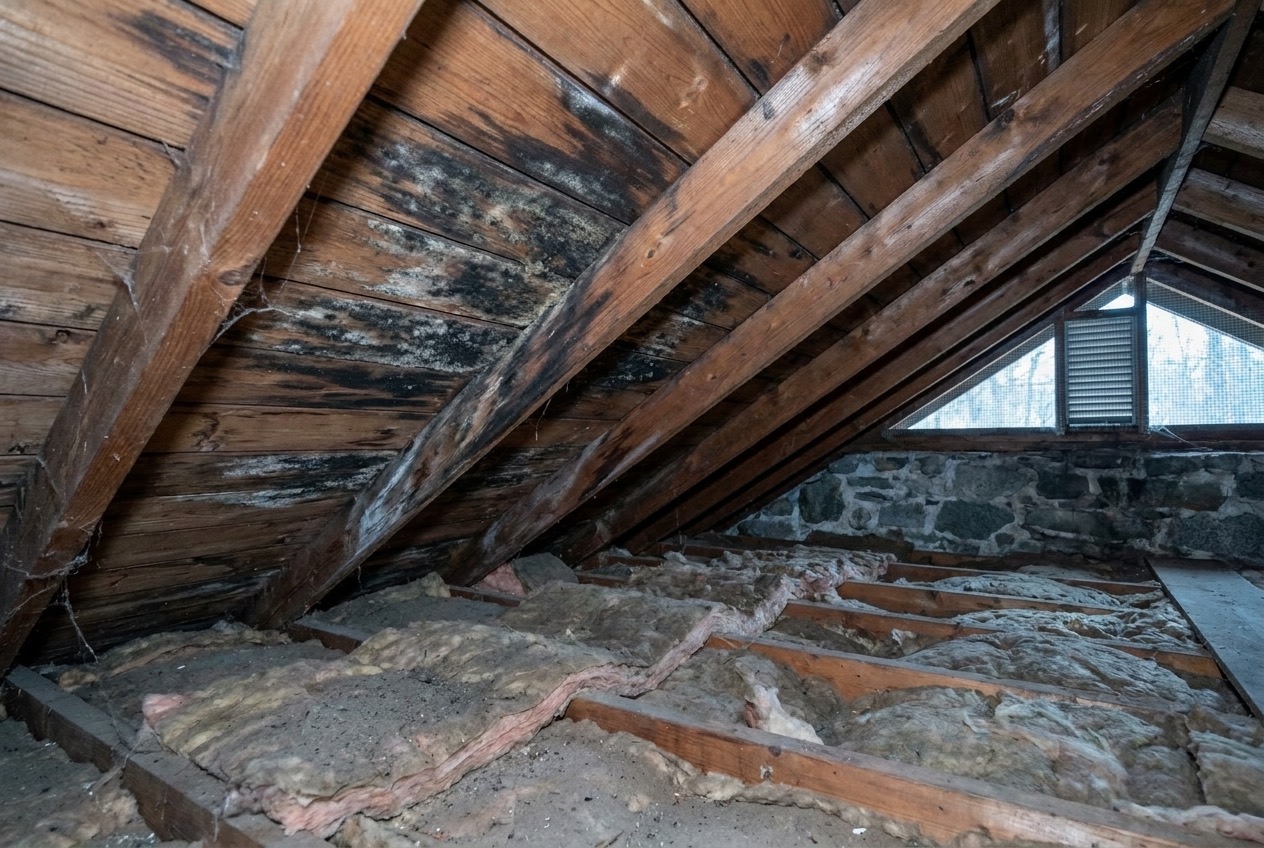
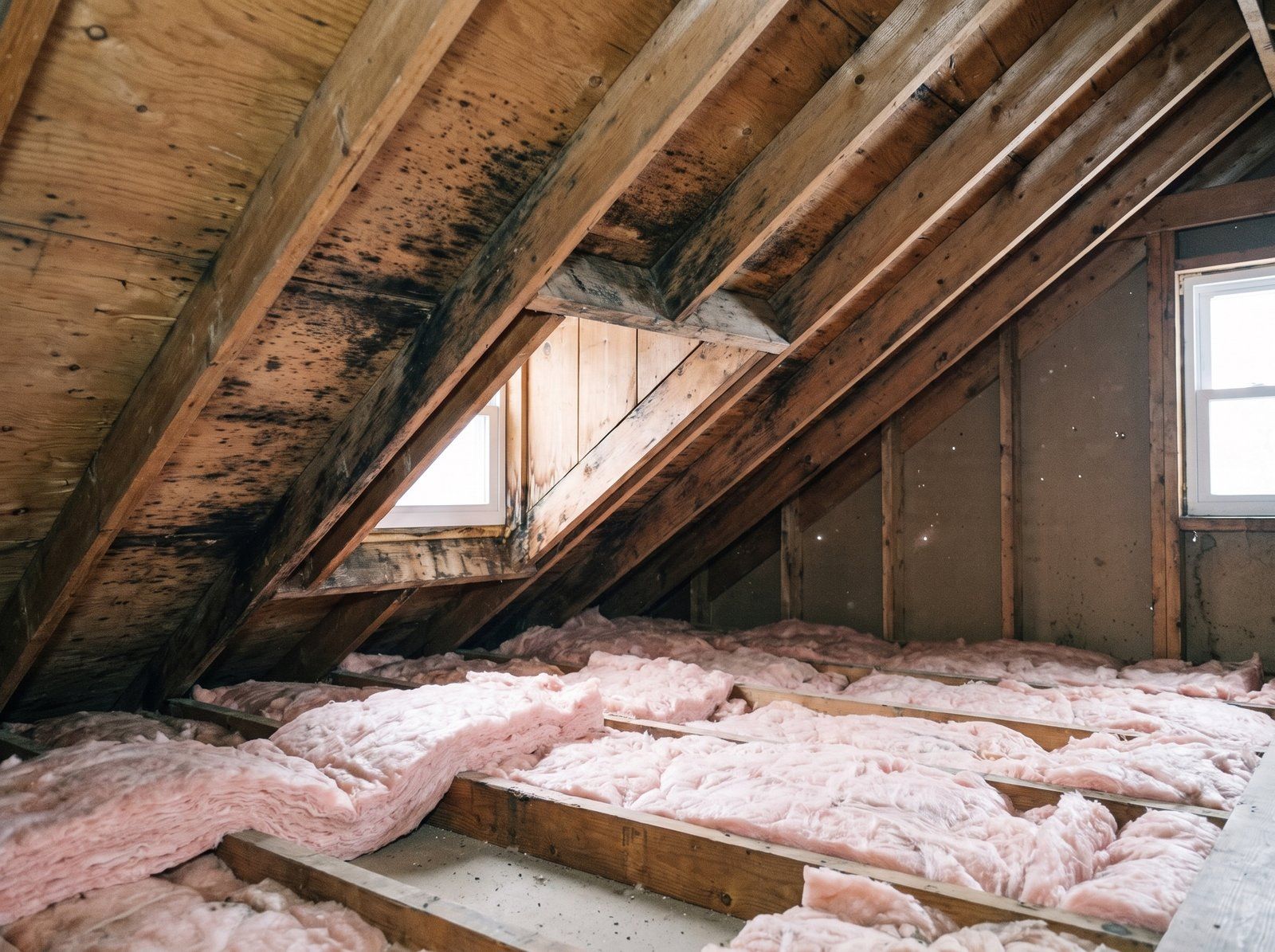
Attic mold is New England’s most common mold call, and it almost always traces to the same two causes: ice-dam meltwater soaking the roof sheathing, and warm indoor air venting into a cold attic with nowhere to go. The result is black staining across the underside of the roof and the rafters — and it keeps coming back until the moisture path is fixed.

Call (603) 541-7979 Available 24/7 · free on-site assessment

Start Here, It’s Free

Free on-site assessment Written scope & price Licensed & insured
Attic Mold Removal Across New England — the problem we remediate

The problem

Remediation That Ends With Proof

We contain the attic, HEPA-vacuum and treat the sheathing and framing, remove any contaminated insulation, and dry the space — then confirm the result with an independent air sample. The clearance test is the difference between an attic that looks clean and one that is.

More about this service

The approach

Fix the Ventilation, Not Just the Stain

Attic mold is a symptom. Every job includes tracing why the space stayed wet — blocked soffit vents, missing ridge ventilation, bath fans dumping into the attic, or an ice-dam pattern on the roof — and correcting it. Treating the stain without fixing the airflow just resets the clock.
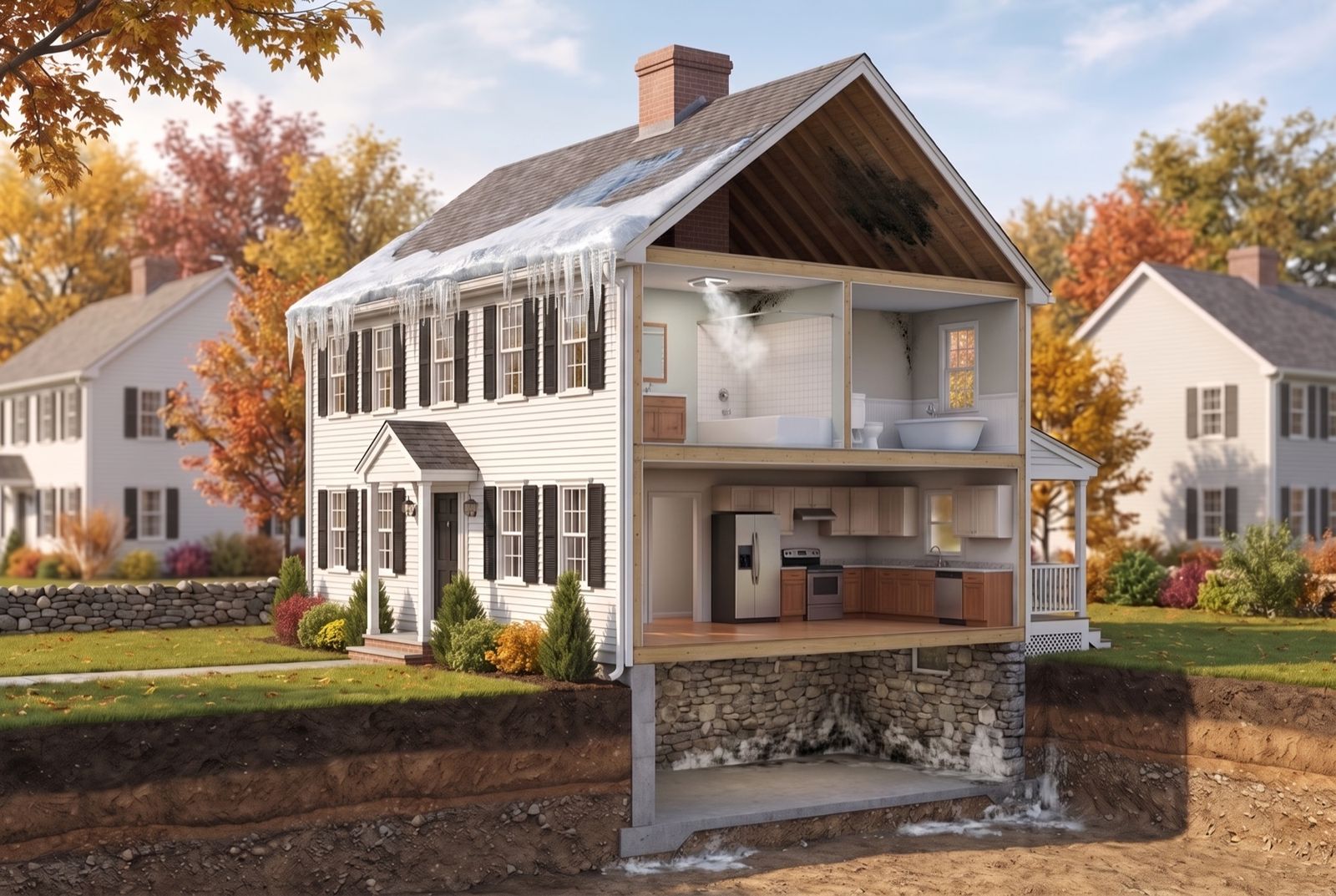
Cutaway illustration of a New England colonial home showing how three moisture sources — an ice-dammed roof, a failed bathroom fan, and a wet fieldstone basement — feed mold growth.
Ice-dammed roof Meltwater backs up under the shingles and soaks the attic sheathing.
Failed bathroom fan Shower steam with nowhere to vent condenses inside the walls.
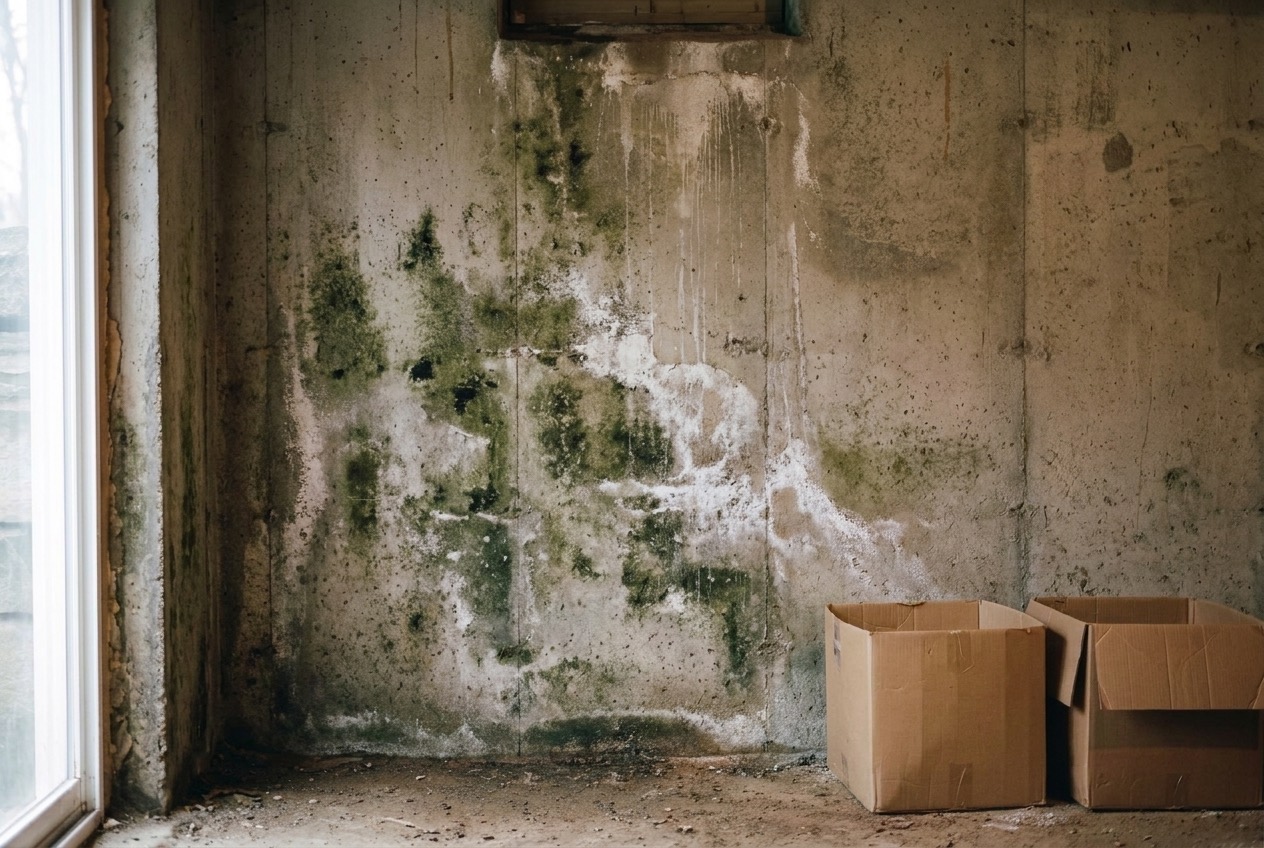
Wet fieldstone basement Groundwater wicks through the stone and pools along the footing.
  1. Ice-dammed roof. Meltwater backs up under the shingles and soaks the attic sheathing.
  2. Failed bathroom fan. Shower steam with nowhere to vent condenses inside the walls.
  3. Wet fieldstone basement. Groundwater wicks through the stone and pools along the footing.
Mold follows moisture. The three most common paths into a New England home — and why we trace the water before we treat the surface.

How it works

A Documented Process, First Look to Verified Result.

  1. 01 Free On-Site Assessment Attic inspection, moisture and ventilation tracing, written scope and price.
  2. 02 Containment The attic access is sealed under negative air pressure with HEPA filtration.
  3. 03 Removal & Treatment Contaminated insulation out; sheathing and rafters HEPA-vacuumed and treated.
  4. 04 Ventilation & Source Correction Soffit/ridge airflow restored, bath fans re-routed, ice-dam causes addressed.
  5. 05 Clearance Testing Independent air sampling proves the result before we call it done.
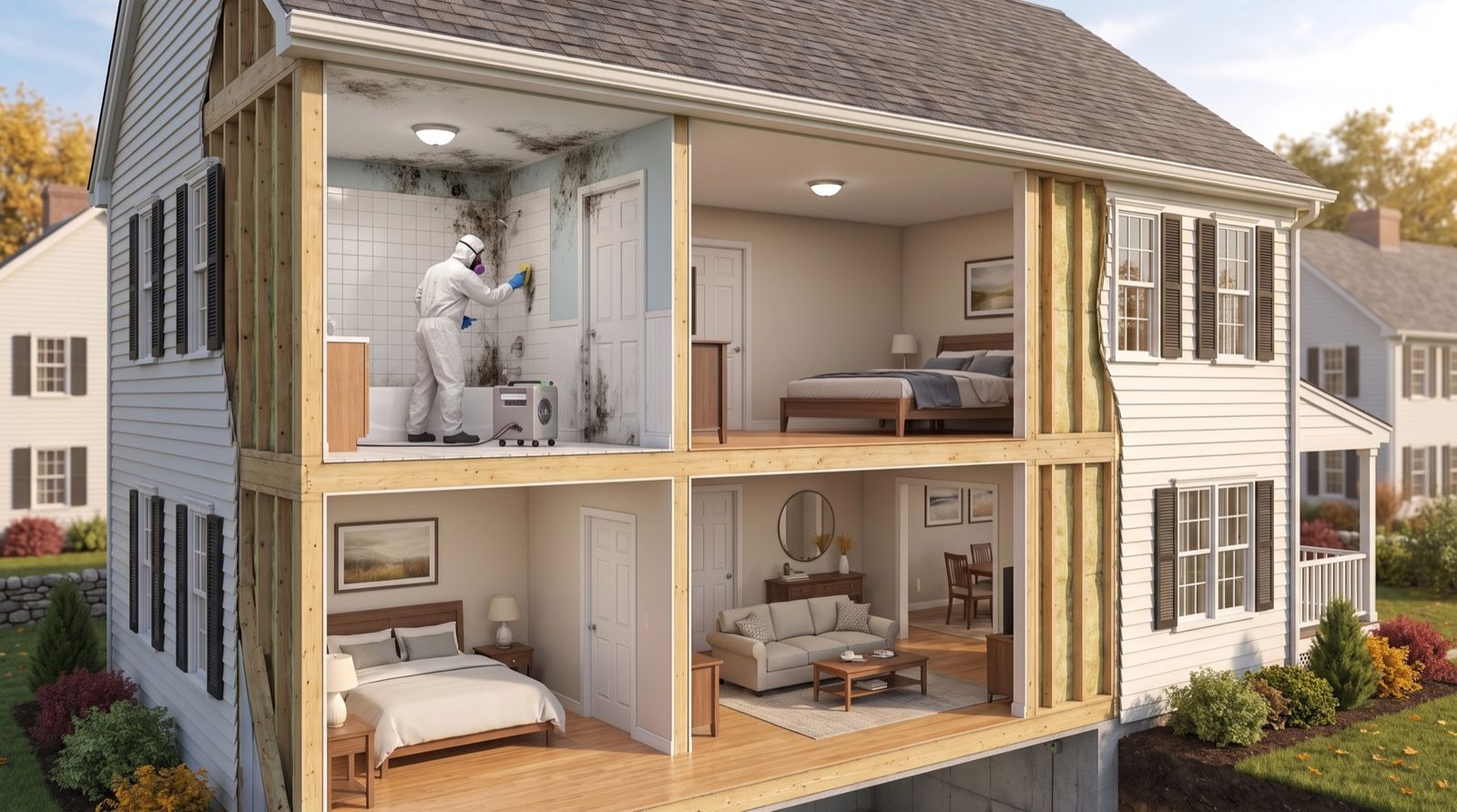
Cutaway cross-section illustration of a New England home with the side wall removed — a technician remediating mold on the bathroom shower wall with a HEPA air scrubber, while the home’s other rooms remain clean

Related services

More Mold Services

Black Mold Removal

Identification and safe removal of toxigenic mold species.

Learn more

Basement Mold Removal

Stone foundations, sump zones, and finished-basement growth.

Learn more

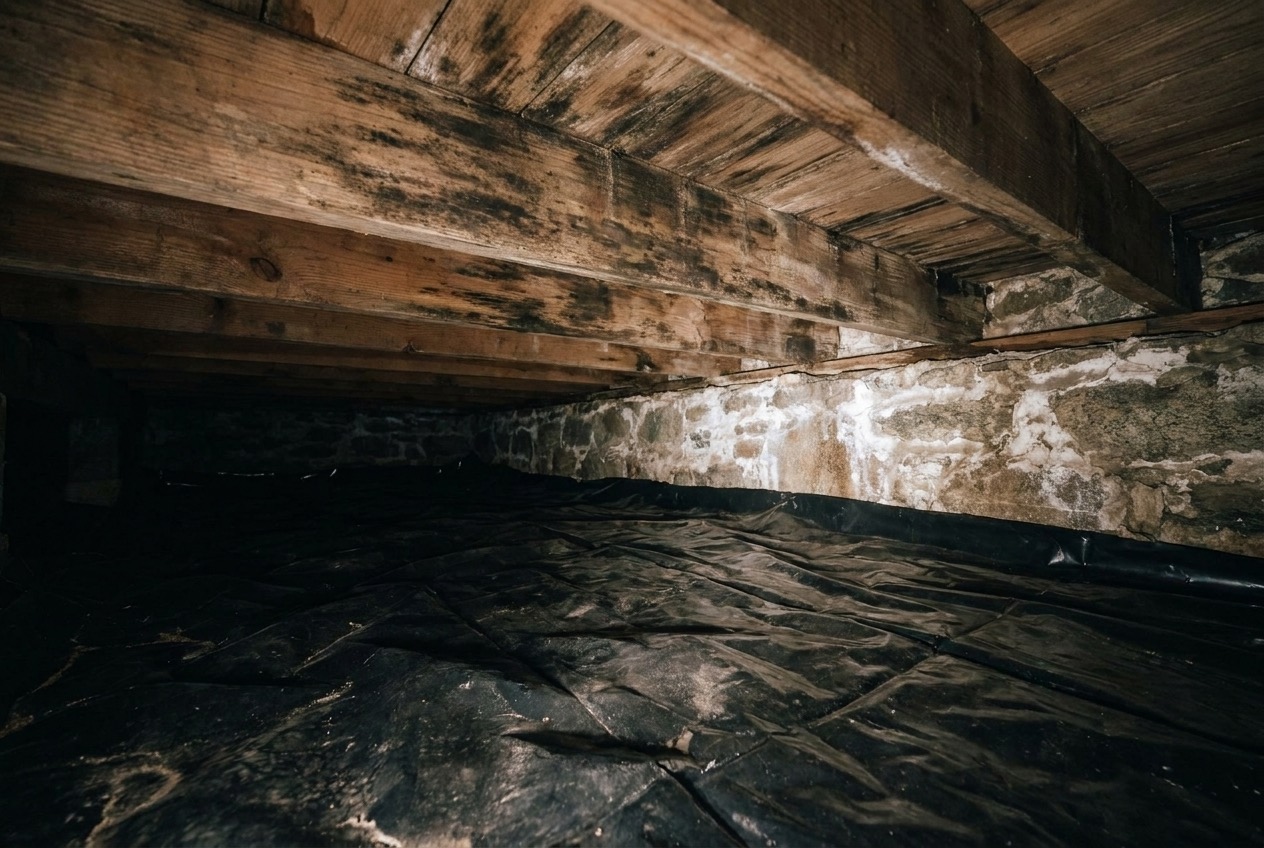
Crawl Space Mold Removal

Encapsulation-ready remediation for vented crawl spaces.

Learn more

Mold Testing & Inspection

Air and surface sampling when you can smell it but can’t find it.

Learn more

Where we work

Attic Mold Removal Across New England.

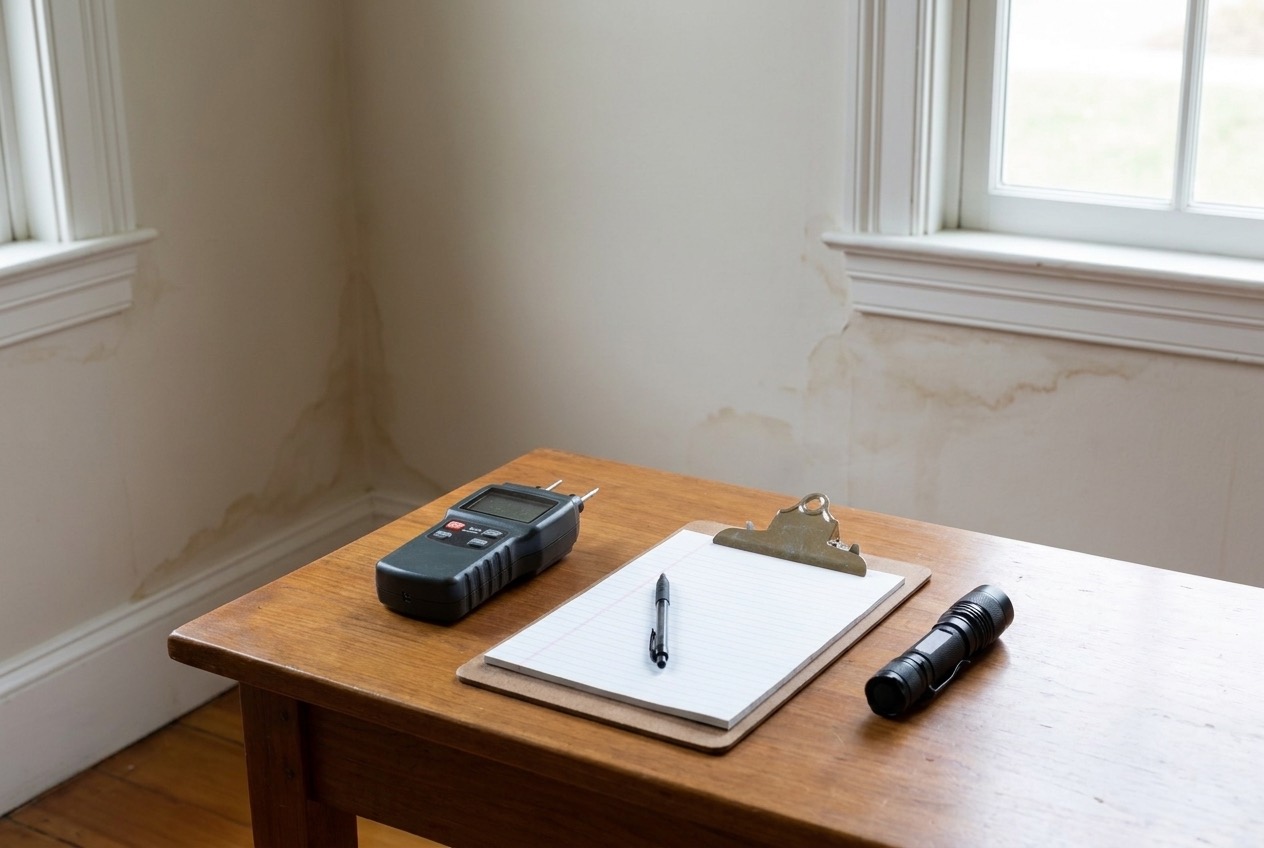
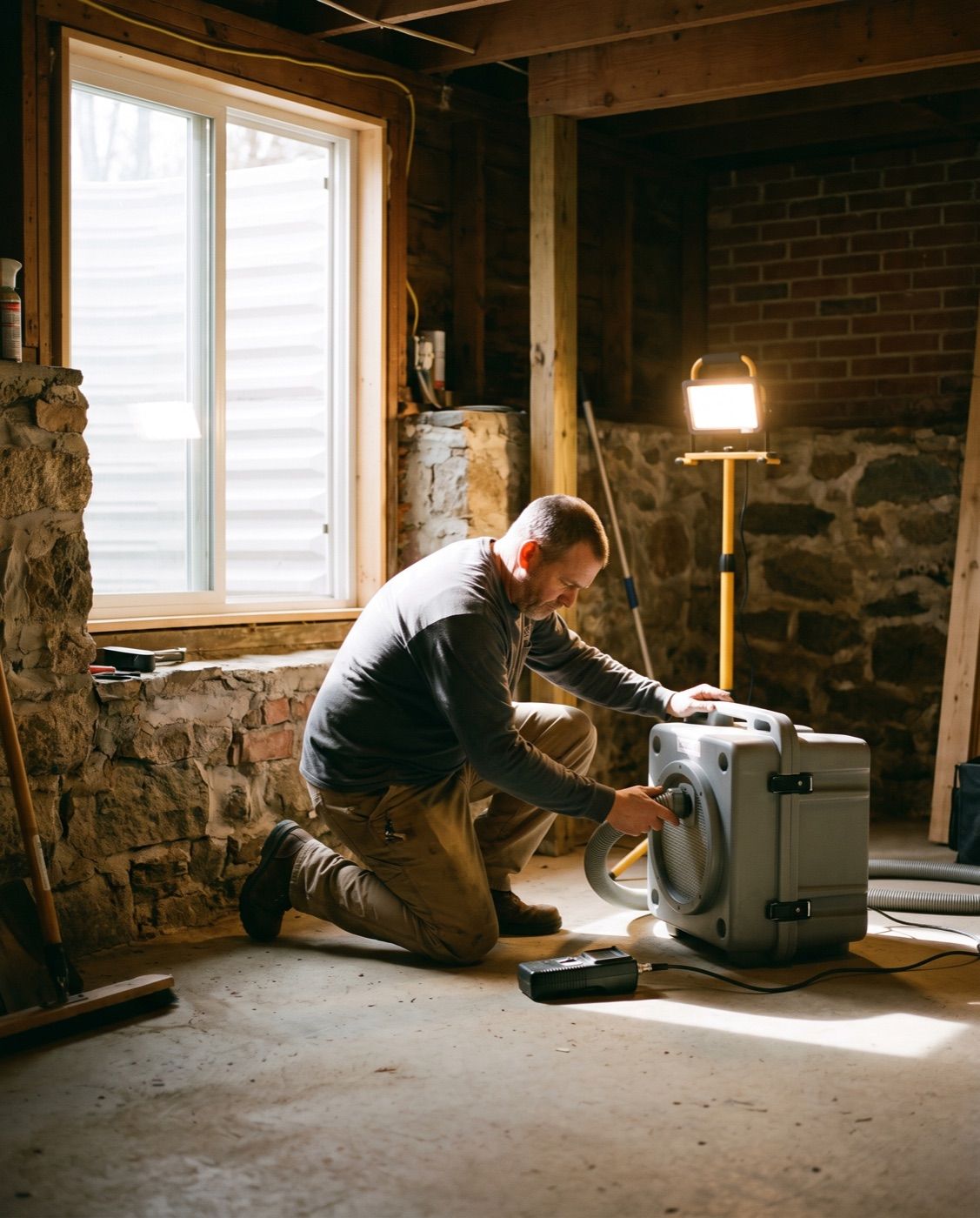
HEPA air scrubber and moisture meter set up during a New England remediation

Why Peniel

Trust Built on Standards, Not Slogans.

  • Licensed Across New England
    Certified remediation professionals in NH, MA, ME, VT, and CT.
  • Free On-Site Assessment
    No obligation — we assess first, quote second.
  • IICRC S520 Protocol
    Industry standard — clearance testing confirms results.
  • Rapid Response
    Emergency calls answered 24/7.
  • Clear Pricing Before Work Begins
    Full scope and cost agreed upfront.

Common questions

Before You Call, the Honest Answers.

Why does attic mold keep coming back?

Because the moisture source is still there. Attic mold is driven by ventilation problems or ice dams — if those aren’t corrected, the mold returns no matter how well the surface was cleaned. Every job we do includes fixing the cause.

Do I need to replace my attic insulation?

Sometimes. Insulation that’s been wet or contaminated is removed and replaced; insulation that’s dry and clean usually stays. The assessment determines which, and it’s in the written scope before any work begins.

What does attic mold removal cost?

It depends on the affected area and the ventilation fix required. The assessment is free and the written quote is fixed before work starts, so the number you approve is the number you pay.

Peniel Environmental technician assessing attic mold removal damage in a New England home

Get a Free Attic Mold Assessment

A certified technician will inspect the attic, trace the moisture, and give you a written scope and price — no obligation.

Prefer to talk? (603) 541-7979

Call Now