Peniel Environmental — property restoration in New England

Free on-site assessment

Asbestos Siding & Shingle Removal

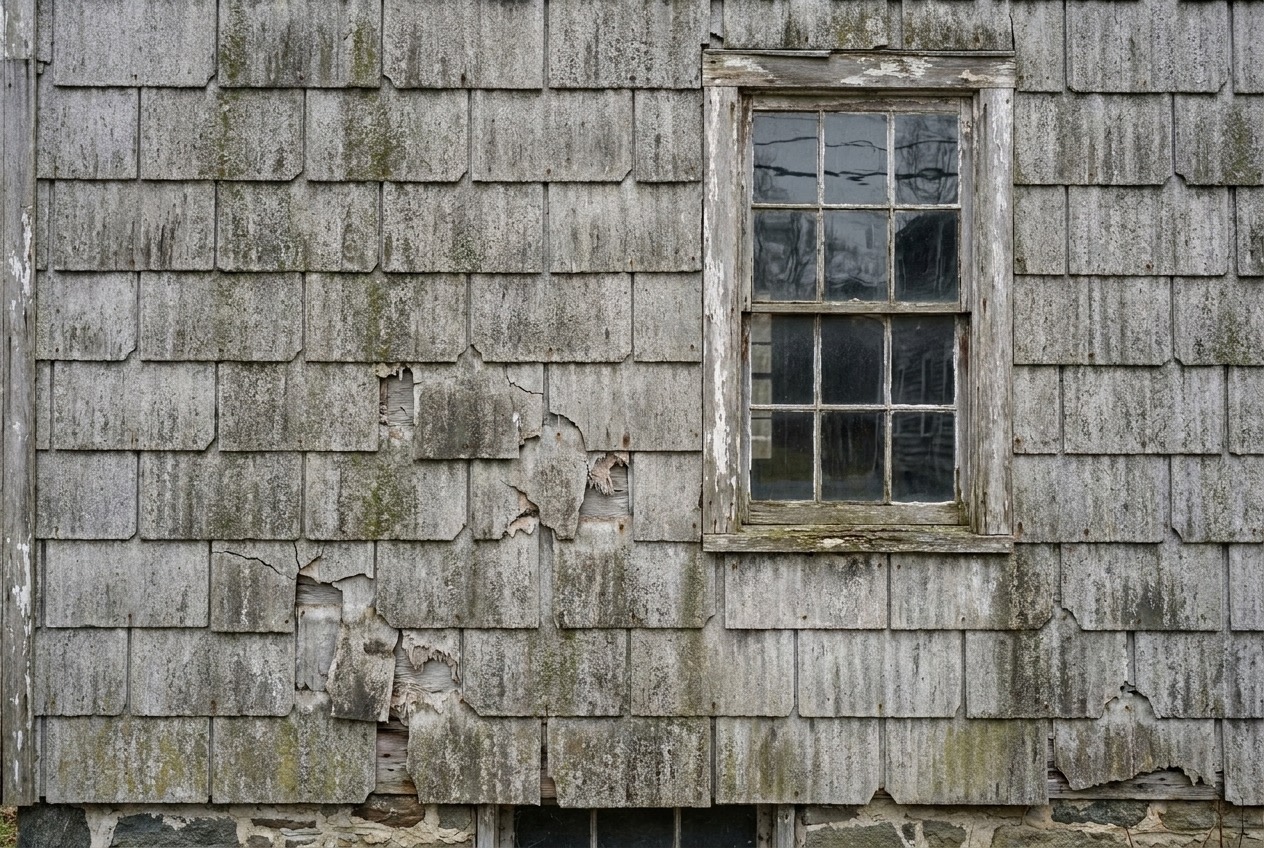
Cement-asbestos siding and roof shingles were common on New England homes for decades. They’re durable and low-risk while intact, but they become friable when they’re broken, drilled, or power-washed — and disposal is regulated.

Call (603) 541-7979 Available 24/7 · free on-site assessment

Start Here, It’s Free

Free on-site assessment Written scope & price Licensed & insured
Asbestos Siding & Shingle Removal — the problem we remediate

The problem

Careful Removal, Proper Disposal

Siding is removed whole where possible to keep fibers down, then bagged and disposed of as regulated asbestos waste — not sent to an ordinary dumpster. The method protects the crew, your family, and the property.

More about this service

The approach

Don’t Power-Wash or Drill It

The most common way homeowners release fibers from asbestos siding is aggressive cleaning or renovation. If your older home has cement shingles, test before you touch them.
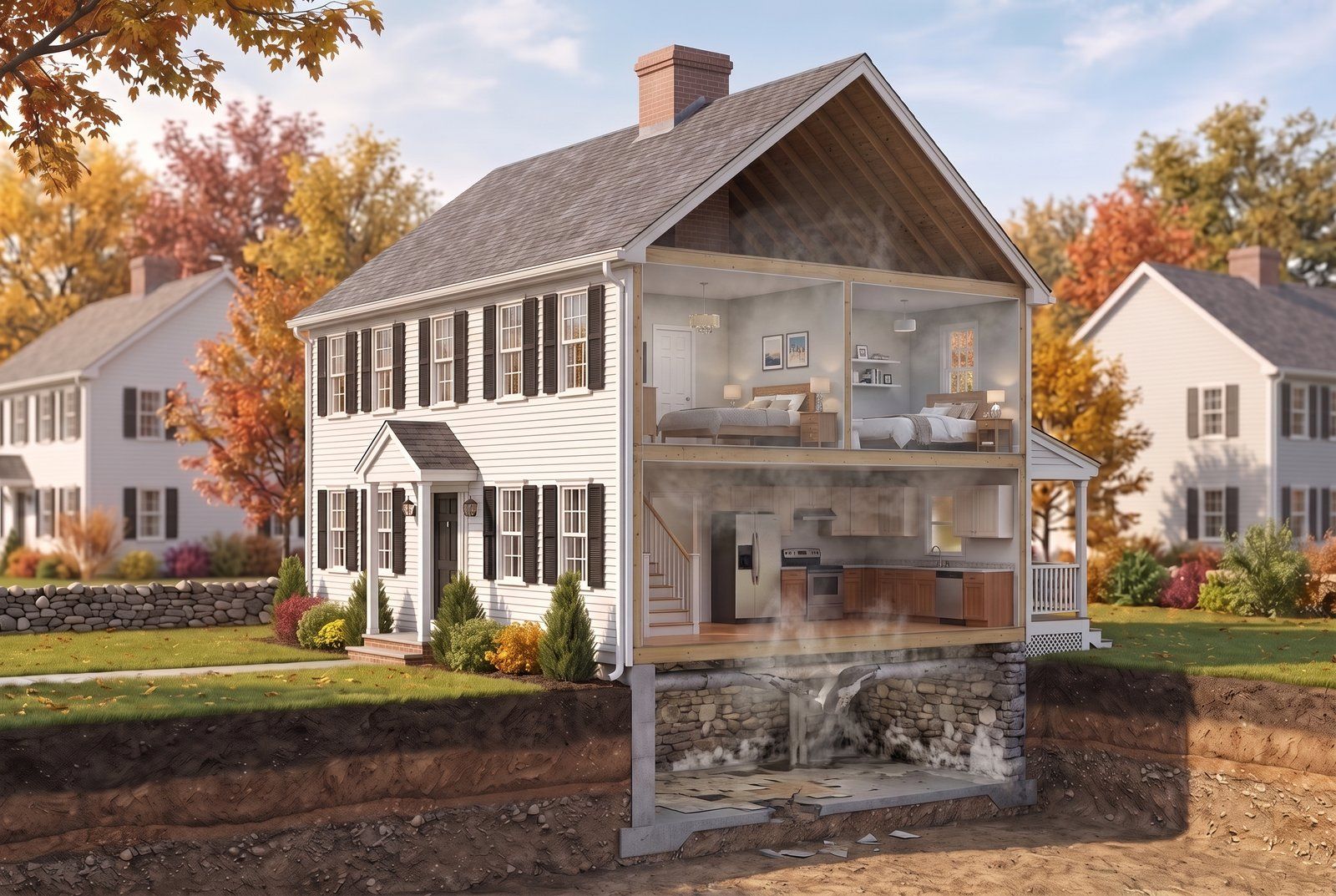
Cutaway illustration of a New England home showing how disturbed asbestos materials in the basement release airborne fibers that rise and spread through the living spaces.
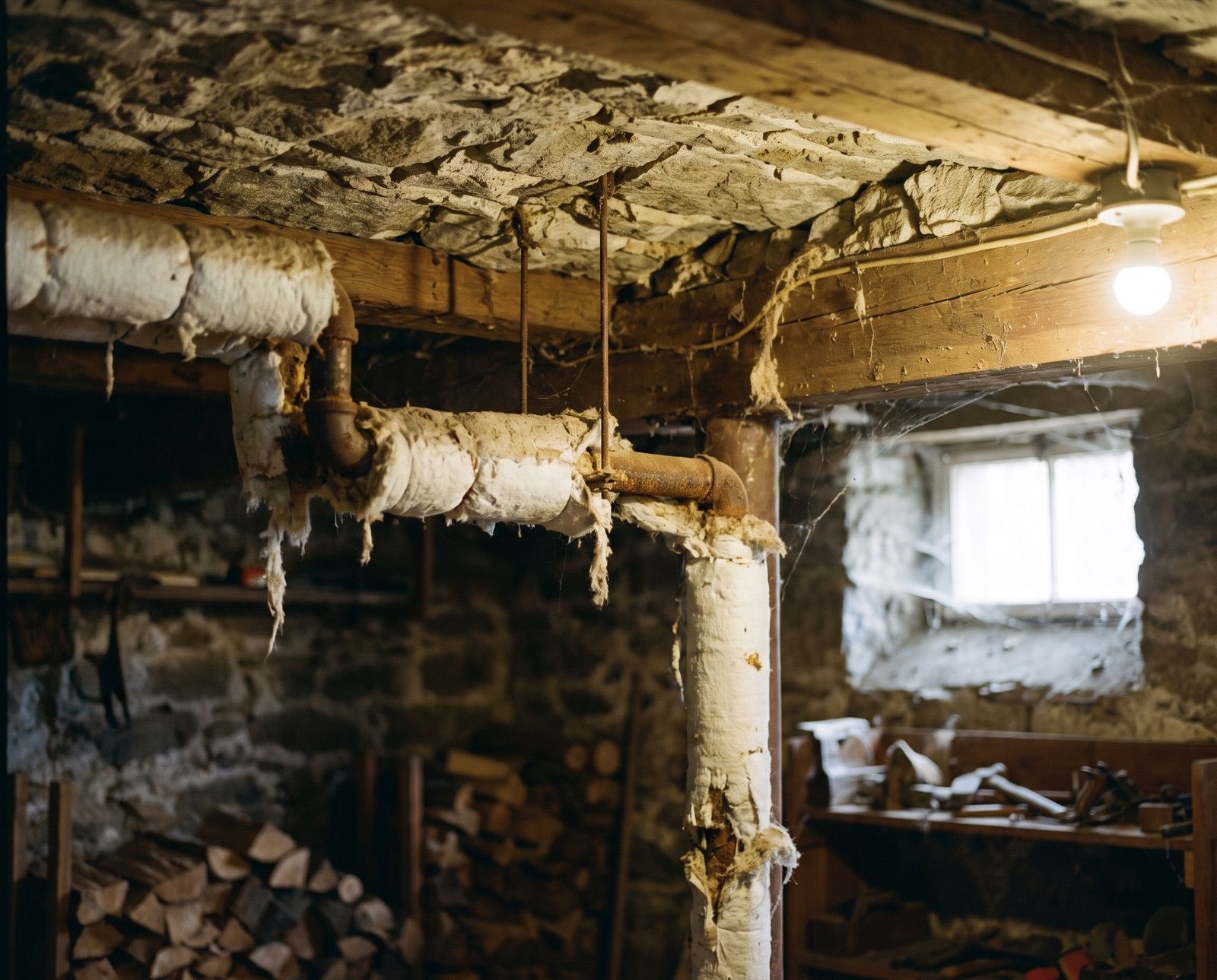
Disturbed materials Old pipe lagging, tiles, and insulation release fibers when they’re cut or crumbling.
Fibers go airborne Microscopic and invisible, they ride the home’s air currents upward.
Every room exposed Air movement carries fibers into the rooms you use every day.
  1. Disturbed materials. Old pipe lagging, tiles, and insulation release fibers when they’re cut or crumbling.
  2. Fibers go airborne. Microscopic and invisible, they ride the home’s air currents upward.
  3. Every room exposed. Air movement carries fibers into the rooms you use every day.
Asbestos is only dangerous once it’s disturbed. The fibers are microscopic and travel on the home’s air — which is why removal is contained, not casual.

How it works

A Documented Process, First Look to Verified Result.

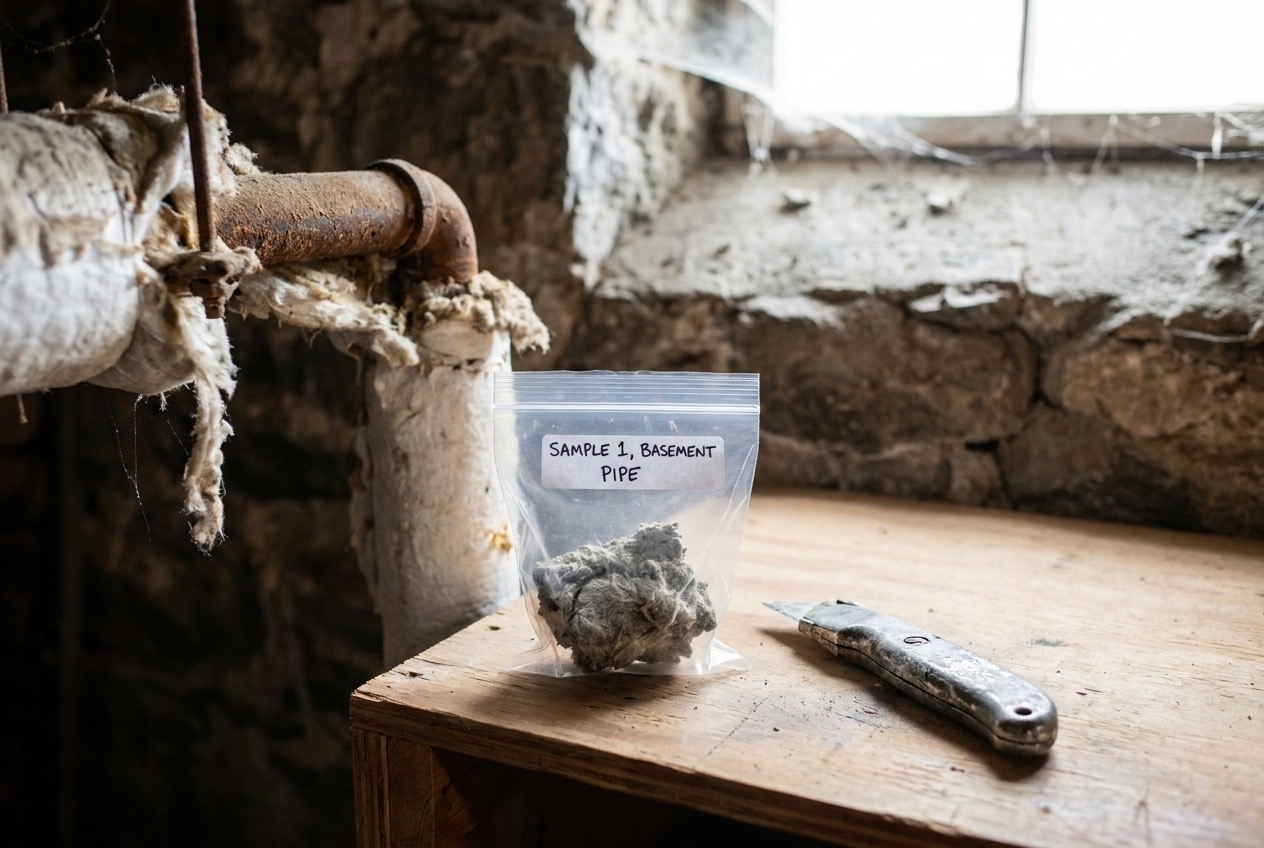
  1. 01 Assessment & Sampling Suspect materials identified and lab-tested before any work.
  2. 02 Containment & Negative Air The area is sealed and held under HEPA-filtered negative pressure.
  3. 03 Wet Removal Material is wetted, removed, and double-bagged as regulated waste.
  4. 04 HEPA Cleaning Every surface inside containment is HEPA-vacuumed and wiped.
  5. 05 Air Clearance Independent testing confirms fiber levels are below the limit.
Cutaway cross-section illustration of a New England home — a technician in a Tyvek suit and respirator removing old asbestos pipe insulation from the basement into a sealed bag with a HEPA vacuum

Related services

More Asbestos Services

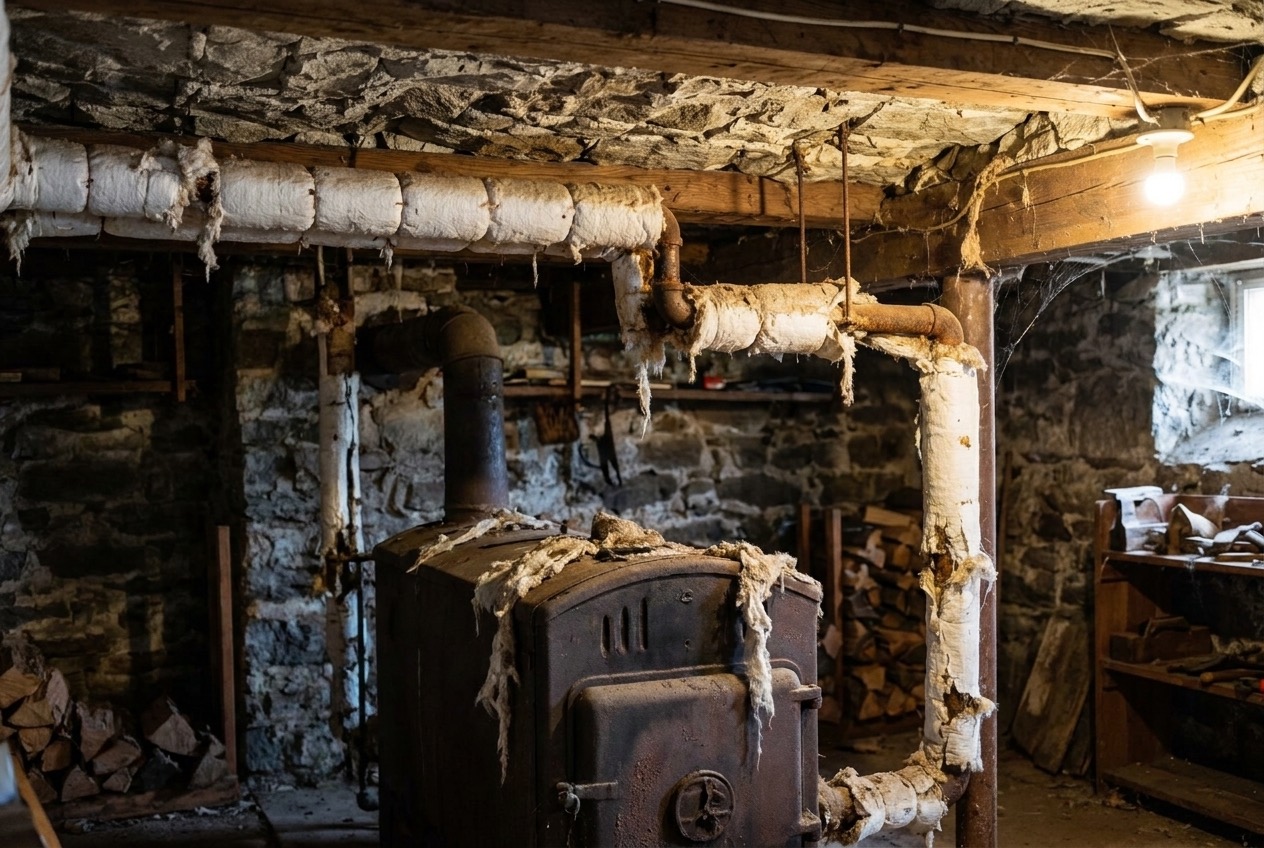
Pipe & Boiler Insulation

Removal of old wrapped insulation on basement heating pipes.

Learn more

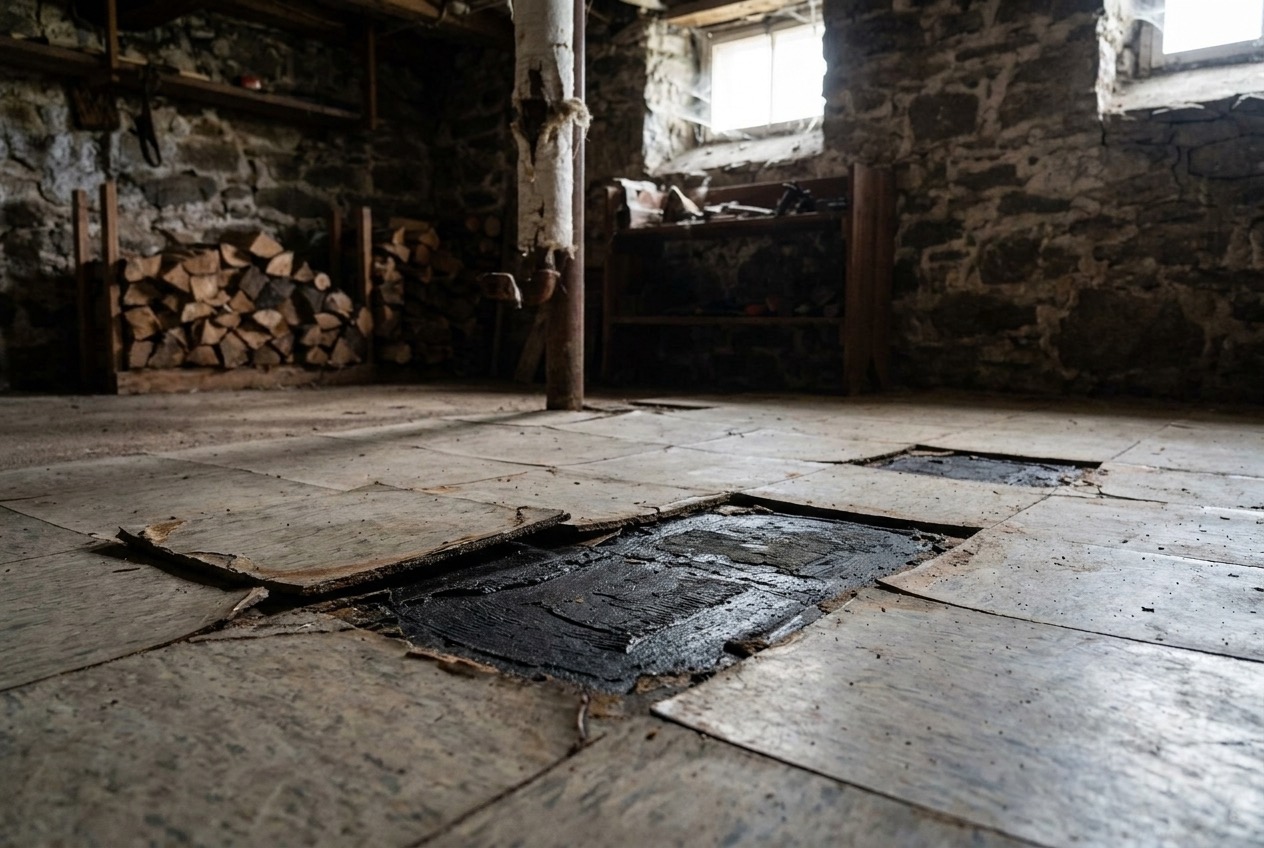
Floor Tile & Mastic

Safe lift-out of vinyl-asbestos tile and the adhesive beneath it.

Learn more

Asbestos Testing & Inspection

Sampling and lab analysis before a renovation or purchase.

Learn more

Where we work

Asbestos Siding & Shingle Removal Across New England.

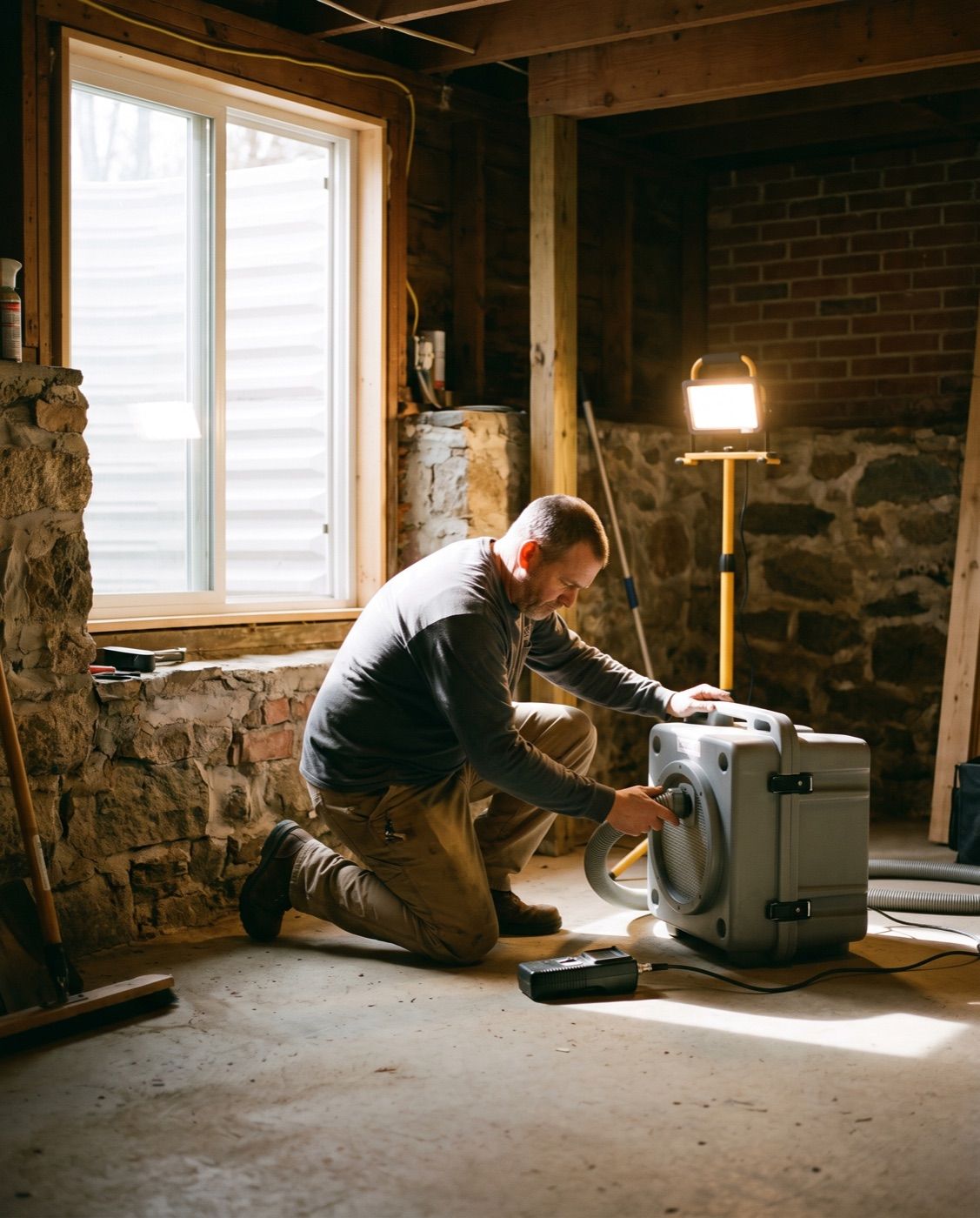
HEPA air scrubber and moisture meter set up during a New England remediation

Why Peniel

Trust Built on Standards, Not Slogans.

  • Licensed & Compliant
    State-licensed abatement to federal EPA and OSHA standards.
  • Free On-Site Assessment
    We identify suspect materials and scope the work first.
  • Independent Air Clearance
    A third-party test confirms the space is safe to reoccupy.
  • Renovation-Ready Scheduling
    We clear the way for your remodel without holding it up.
  • Clear Pricing Before Work Begins
    Full scope and cost agreed upfront — in writing.
  • Straight Answers
    We tell you when material is safe to leave alone — and when it isn’t.

Common questions

Before You Call, the Honest Answers.

Is asbestos siding dangerous?

Intact, it’s low-risk. It becomes a hazard when it’s broken, drilled, sanded, or power-washed — which releases fibers. Removal or careful handling matters most during any work on it.

Can I remove old siding myself?

Asbestos-containing siding is regulated for both removal and disposal, and breaking it releases fibers. It should be handled by licensed professionals rather than pulled off and thrown away.

How is it disposed of?

As regulated asbestos waste — bagged, labeled, and taken to an approved facility. Ordinary construction disposal isn’t legal for it, and we handle the paperwork.

Peniel Environmental technician assessing asbestos siding & shingle removal damage in a New England home

Get a Free Asbestos Assessment

A licensed technician will assess the siding, plan removal, and give you a written scope and price — no obligation.

Prefer to talk? (603) 541-7979

Call Now