Water Damage
Water Damage: What the First 48 Hours Decide
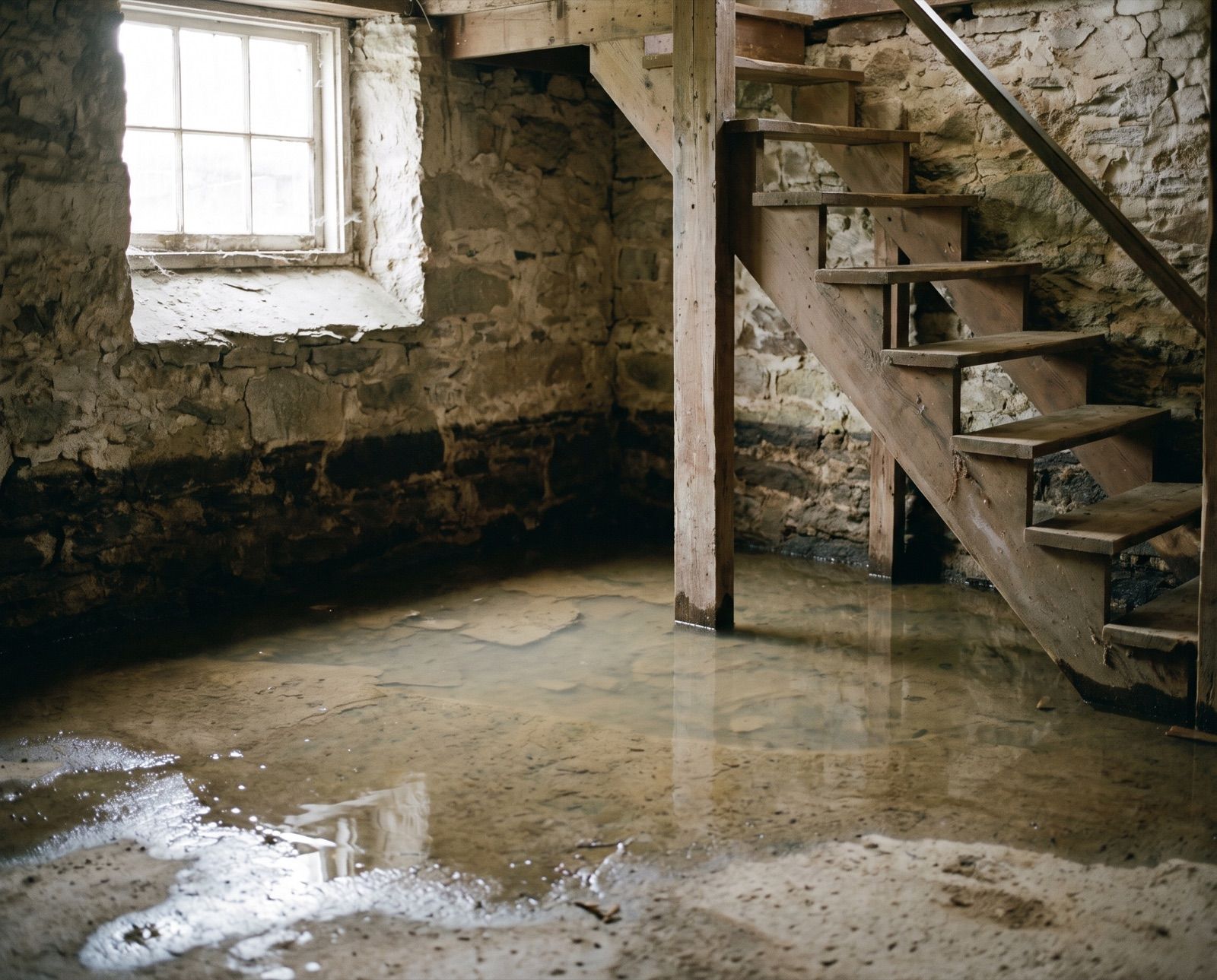
When a pipe bursts or a basement floods, the clock starts immediately. Mold can begin growing on wet materials within 24 to 48 hours — so what you do in that window largely decides whether this becomes a drying job or a remediation job.
Hours 0–6: stop the water and document
Shut off the source if you safely can. Then photograph everything before you move it — insurers want to see the extent, and the record protects you.
Hours 6–24: extract and start air movement
Standing water gets pulled out; then air movers and a dehumidifier bring the humidity down before it soaks deeper into framing and drywall. This is where professional equipment matters — a household fan doesn’t move enough air to dry a wall cavity.
Hours 24–48: find the hidden moisture
The wet you can see isn’t the problem — the wet you can’t is. Moisture migrates into wall cavities, under flooring, and behind baseboards. A moisture meter maps where it went so nothing gets sealed up wet, which is the single most common cause of post-flood mold.
After 48 hours
If materials have stayed wet past two days, assume mold is a possibility and test for it. Remediation is straightforward when it’s caught early — and much larger when a wet cavity was closed up and forgotten.
If you’re inside that first window right now, the fastest thing you can do is call. Everything else is easier when the drying starts early. Peniel handles water damage restoration across New Hampshire, with crews covering water damage repair in Manchester and emergency water damage repair in Portland, Maine.